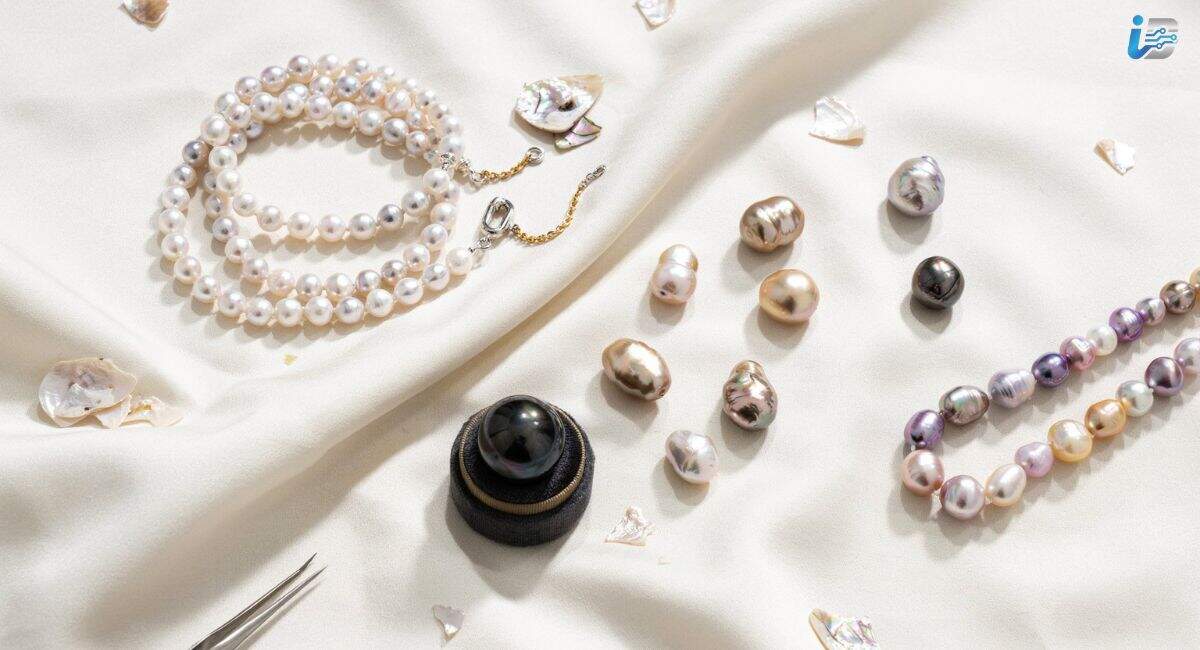
Pearls have captivated people for centuries with their natural beauty and timeless elegance. Unlike other gemstones, pearls are created inside living mollusks, making them truly unique treasures of nature. Understanding the different Types of Pearls helps you appreciate their value, appearance, and ideal use in jewelry.
From rare Natural Pearls to widely available Cultured Pearls, each variety offers distinct features that appeal to different tastes and budgets. This guide explores the most popular pearl varieties, their origins, and their unique qualities. You will also learn about important characteristics of pearls, Pearl quality, and the factors that influence their beauty, rarity, and long-term value.
What Are Pearls? Understanding Their Formation
Pearls start their life inside a Pearl mollusk or Pearl oyster when a tiny irritant enters its soft body. The mollusk reacts by coating it with layers of Nacre, also called Mother of Pearl. This slow Pearl formation process creates one of nature’s rarest Organic gemstones.
As layers grow, Nacre Layers build a smooth surface over time. Different Mollusk Species shape the final look, including Pearl colors, Pearl shapes, and Pearl sizes. This natural reaction is a perfect example of Natural gemstone formation and strongly defines Pearl quality in every unique pearl.
How Pearls Form Naturally
Natural pearl creation happens without any human involvement. In the wild, a foreign particle enters a mollusk and triggers the formation of protective nacre layers. These naturally occurring pearls are extremely rare today because finding the perfect conditions for pearl development is uncommon.
The rarity of Natural Pearls greatly increases their market appeal. Before modern pearl farming methods emerged, divers spent years searching oceans and rivers for a single valuable pearl. This scarcity remains one of the biggest reasons natural pearls often command extraordinary prices in the gemstone market.
The Role of Mollusks and Oysters
Not every mollusk can produce high-quality pearls. Specific Pearl oyster species are responsible for creating the world’s most valuable pearls. Species such as Pinctada fucata, Pinctada maxima, and Pinctada margaritifera have become famous throughout the pearl industry.
These oysters create pearls by coating irritants with thousands of microscopic layers of nacre. The health of the oyster directly affects Pearl luster, Pearl durability, and overall Gemstone Quality. Healthy oysters generally produce pearls with brighter reflections and stronger nacre structures.
Natural Pearls vs. Cultured Pearls: Key Differences
One key part of any Pearl Guide is understanding Natural pearls vs cultured pearls. Both are real Real pearls, but their Pearl formation process is different. Natural pearls form without human help, while Cultured Pearls grow through controlled Pearl cultivation inside a Pearl oyster.
Many people ask, “What are cultured pearls?” These pearls start when farmers use Bead Nucleation or Tissue Nucleation inside the oyster. The mollusk then produces Nacre through natural Pearl production process. This is why both types are considered Genuine pearls in modern Pearl farming industry.
What Are Natural Pearls?
Natural pearls form entirely on their own. No technician inserts any material into the oyster. Because of their rarity, natural pearls have become prized collector’s items and are often found in museums, auctions, and antique jewelry collections.
The discovery of a perfectly formed natural pearl is uncommon today. As a result, many high-end jewelers consider natural pearls a symbol of exclusivity and historical significance.
What Are Cultured Pearls?
Modern Cultured Pearls dominate today’s jewelry market. During Pearl cultivation, technicians carefully insert a bead or tissue into the oyster to stimulate pearl growth. The oyster then coats the inserted material with nacre over several years.
This controlled process allows farmers to produce pearls with better consistency in size and appearance. Thanks to advances in Pearl farming and the global Pearl farming industry, cultured pearls offer exceptional beauty at a more accessible price.
Natural Pearls vs Cultured Pearls Comparison
| Feature | Natural Pearls | Cultured Pearls |
| Human Involvement | None | Required |
| Availability | Extremely Rare | Widely Available |
| Price | Very High | Moderate to High |
| Formation Time | Natural Process | Managed Process |
| Jewelry Use | Collectors and Luxury Pieces | Everyday and Luxury Jewelry |
Main Types of Pearls Explained
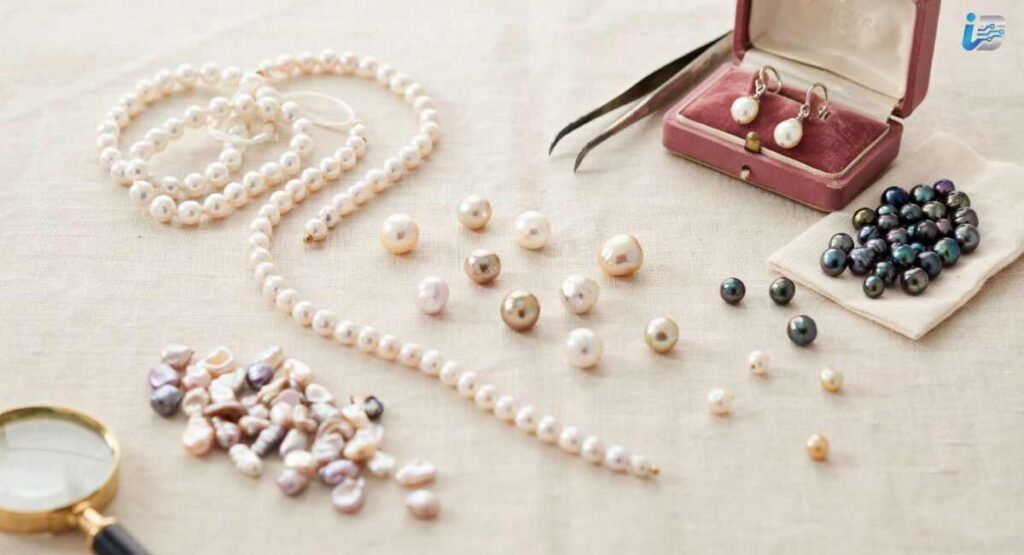
Understanding the Different types of pearls explained helps buyers choose the right Pearl jewelry with confidence. Pearls are mainly divided into Saltwater pearls and Freshwater pearls, each offering unique Pearl characteristics, value, and beauty.
The four main varieties are Akoya Pearls, Freshwater Pearls, South Sea Pearls, and Tahitian Pearls. These pearl types differ in origin, quality, rarity, and price, making them suitable for different styles, budgets, and pearl investment goals. Understanding these differences can also help when comparing silver pearl rarity with other pearl varieties, as rarity significantly influences both value and desirability.
Saltwater vs Freshwater Pearls
The debate over Saltwater vs freshwater pearls often depends on personal preference. Saltwater pearls generally display superior roundness and stronger luster. Freshwater pearls offer greater diversity in shape and color while remaining more affordable.
Both categories produce beautiful gems. However, environmental conditions, oyster species, and farming methods contribute to noticeable differences in quality, appearance, and value.
Geographic Origins of Major Pearl Types
The world’s finest pearls come from several regions. Japan and China are famous for Akoya Pearls. Australia, Indonesia, and the Philippines produce many exceptional South Sea Pearls. Meanwhile, French Polynesia and Tahiti are renowned for cultivating stunning dark pearls.
These regions provide ideal water conditions that support healthy oyster growth. The location often influences Pearl colors and overtones, nacre quality, and overall market value.
Akoya Pearls: Classic Elegance and High Luster
Few pearls symbolize classic sophistication like Akoya Pearls. Produced primarily by the Akoya Oyster, scientifically known as Pinctada fucata, these pearls are celebrated for their exceptional roundness and mirror-like shine. Many people imagine Akoya pearls when they think of traditional pearl jewelry.
Their popularity stems from their unmatched Pearl luster and elegant appearance. Akoya pearls frequently appear in bridal jewelry, luxury gifts, and timeless heirloom collections. Their bright reflective surface remains one of the strongest indicators of premium Pearl quality.
What Makes Akoya Pearls Special?
The secret behind Akoya pearls lies in their near-perfect symmetry. High-quality Akoya pearls often display excellent Pearl symmetry and strong reflective surfaces that create a glowing appearance under light.
This brilliance makes Akoya pearls highly desirable among buyers seeking classic elegance. Many premium Pearl necklace collections feature Akoya pearls because of their uniformity and timeless appeal.
Typical Colors, Sizes, and Shapes
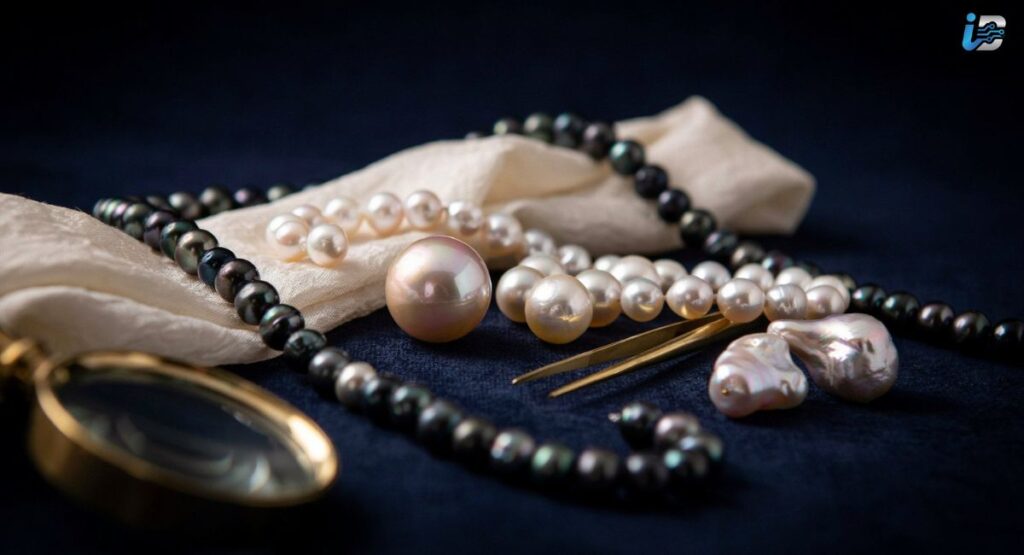
Akoya pearls commonly appear as White pearls with delicate rose or silver overtones. Their average size ranges from 6 to 9 millimeters, although larger specimens exist.
Most Akoya pearls are perfectly round. However, oval and semi-round varieties are also available. Their refined appearance makes them ideal for luxury jewelry pieces that require consistency and visual harmony.
Freshwater Pearls: Affordable and Versatile Options
Among all pearl varieties, Freshwater Pearls remain some of the most versatile and accessible. Produced mainly in China, these pearls offer exceptional variety in shape, color, and size. Their affordability makes them attractive to first-time pearl buyers.
Unlike many saltwater pearls, freshwater pearls often contain solid nacre throughout the entire pearl. This structure contributes to impressive durability and long-term beauty. Many designers use freshwater pearls in modern Pearl Jewelry Design because of their flexibility and wide range of forms.
Why Freshwater Pearls Are So Popular?
Consumers appreciate freshwater pearls because they deliver excellent value. Their affordability allows buyers to own larger pearls without paying premium prices associated with rare saltwater varieties.
The broad selection of colors and shapes also increases their popularity. Whether you prefer classic white pearls or unique pastel tones, freshwater pearls offer countless design possibilities.
Available Colors, Shapes, and Sizes
Freshwater pearls appear in white, peach, lavender, pink, and cream shades. They also display remarkable diversity in Pearl shapes, including Round pearls and Baroque pearls.
Their size range is equally impressive. Some freshwater pearls remain small and delicate while others rival larger saltwater pearls. This versatility makes them suitable for virtually every style of pearl jewelry.
South Sea Pearls: The Largest and Most Valuable Pearls
When people ask, “Which pearl type is most valuable?” the answer often points to South Sea Pearls. These remarkable gems are known for their impressive size, luxurious appearance, and rarity. Produced primarily in Australia, Indonesia, and the Philippines, South Sea pearls represent the pinnacle of Luxury pearl jewelry.
Unlike smaller pearl varieties, South Sea pearls develop inside the Silver-Lipped Oyster and Gold-Lipped Oyster, both belonging to Pinctada maxima. Their long growth period allows thick nacre formation, creating exceptional beauty and durability. This combination of rarity, size, and quality significantly increases their Pearl investment value.
Origins of South Sea Pearls
The warm waters of the South Pacific provide ideal conditions for cultivating South Sea pearls. Farmers carefully manage oysters for several years before Pearl Harvesting takes place. This extended process contributes to the pearl’s thick nacre and premium appearance.
The unique environment influences Pearl production process, color development, and overall quality. As a result, South Sea pearls are highly sought after by collectors and luxury jewelry buyers around the world.
White South Sea vs Golden South Sea Pearls
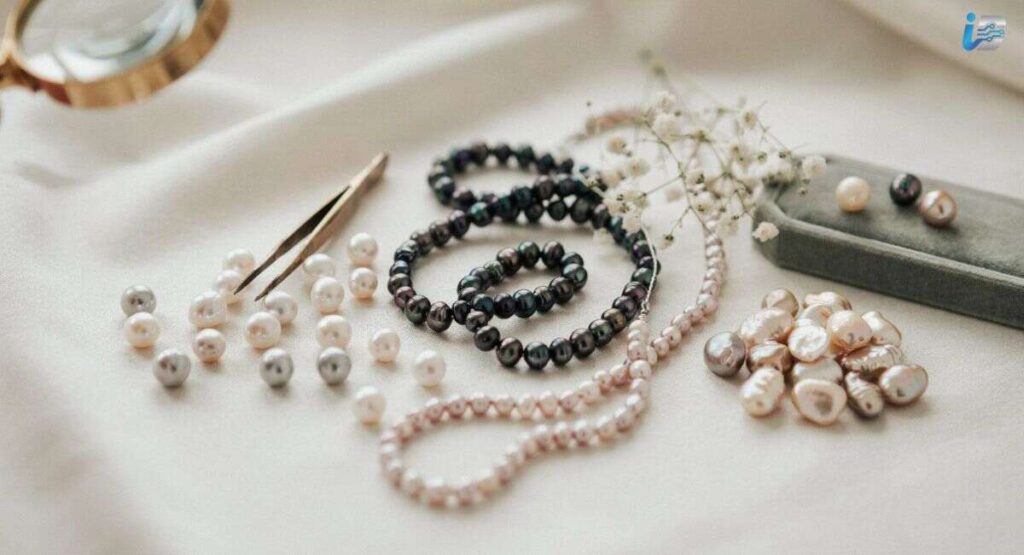
South Sea pearls generally appear as stunning White pearls or radiant Golden pearls. White South Sea pearls offer a soft silver glow that appeals to classic jewelry lovers. Golden South Sea pearls display rich champagne and gold tones that create a more exotic appearance.
The value of these pearls often depends on color saturation, surface condition, and luster. Deep golden colors are particularly rare and can command premium market prices.
Why South Sea Pearls Command Premium Prices
Several factors influence the high Pearl value of South Sea pearls. Their large size, limited production, thick nacre, and natural beauty all contribute to their prestige. Many specimens exceed 15 millimeters, making them some of the largest cultured pearls available.
In addition, farmers face greater risks during cultivation because South Sea oysters require years of careful maintenance. This combination of rarity and labor explains why these pearls remain among the most expensive gems in the pearl market.
Tahitian Pearls: Unique Dark and Exotic Beauty
Few gems capture attention like Tahitian Pearls. Often referred to as black pearls, they are famous for their dramatic appearance and rich color variations. These pearls are cultivated around French Polynesia, especially near Tahiti, where pristine lagoons provide ideal growing conditions.
Unlike artificially dyed pearls, Tahitian pearls develop their dark shades naturally. Their mysterious appearance and vibrant overtones make them one of the most distinctive Types of Pearls available today.
Where Tahitian Pearls Come From
Tahitian pearls are produced by the Black-Lipped Oyster, scientifically known as Pinctada margaritifera. This oyster naturally creates dark nacre that gives Tahitian pearls their signature look.
The waters surrounding French Polynesia support healthy oyster growth and excellent nacre development. These environmental conditions contribute to superior Pearl luster, color richness, and overall beauty.
Natural Colors and Overtones
One of the most fascinating aspects of Tahitian pearls is their broad color range. While commonly known as Black pearls, they also appear in charcoal, silver, green, blue, purple, and bronze shades.
These pearls often display striking Pearl overtones and vivid Pearl orient, creating a rainbow-like effect beneath the surface. This natural color play adds tremendous value and uniqueness to every pearl.
Tahitian Pearls Meaning and Symbolism
The phrase “Tahitian pearls meaning” often relates to wisdom, protection, and prosperity. Throughout history, many cultures viewed dark pearls as symbols of mystery and personal strength.
Today, jewelry enthusiasts appreciate Tahitian pearls not only for their symbolism but also for their rarity and exceptional beauty. Their unique appearance sets them apart from traditional white pearls.
How Pearl Quality Is Evaluated
Understanding How pearls are graded is essential when purchasing pearl jewelry. Experts assess several characteristics that influence appearance, durability, and value. Together, these measurements form the foundation of professional Pearl grading systems.
When evaluating pearls, gemologists examine Pearl luster, Pearl surface quality, shape, size, color, and matching. These factors help determine both beauty and long-term investment potential.
Pearl Luster: The Most Important Quality Factor
Among all Pearl grading factors, luster is often considered the most important. Pearl luster refers to how light reflects from the pearl’s surface. High-quality pearls display sharp reflections and a glowing appearance.
Strong luster indicates healthy nacre development and excellent craftsmanship during cultivation. Pearls with dull surfaces generally have lower market value.
Surface Quality and Blemishes
Almost every pearl contains minor imperfections. However, the severity of these marks affects Pearl surface quality. Common flaws include scratches, pits, wrinkles, and small spots.
Experts evaluate the number, size, and visibility of these imperfections. Fewer blemishes typically result in higher Gemstone Quality and stronger market demand.
Nacre Thickness and Durability
The thickness of nacre plays a major role in determining Pearl durability. Thick Nacre Layers create stronger pearls that resist wear and maintain their beauty over time.
This factor is especially important when comparing different pearl varieties. Superior Pearl nacre thickness often contributes to better luster and longer-lasting value.
Matching and Consistency
For pearl strands and earrings, Pearl matching becomes extremely important. Jewelers evaluate color, size, shape, luster, and surface quality to create harmonious jewelry sets.
Professional Pearl matching standards ensure each pearl complements the others. This consistency greatly enhances the beauty of finished jewelry.
Pearl Colors, Shapes, and Sizes
One reason pearls remain so popular is their incredible diversity. From bright white to deep black, pearls offer a remarkable range of colors. They also appear in numerous shapes and sizes, allowing buyers to choose pieces that match their personal style.
Several factors influence Pearl colors, including oyster species, water conditions, and nacre composition. Shape and size also affect appearance, desirability, and overall market value.
Understanding Pearl Colors and Overtones
A pearl’s primary color is known as its body color. Additional hues that appear above the body color are called Pearl overtones. Some pearls also display Pearl orient, which creates shimmering rainbow reflections beneath the surface.
Common colors include white, cream, silver, pink, gold, gray, and black. These natural shades contribute significantly to pearl uniqueness and value.
Common Pearl Shapes Explained
Pearls occur in many forms. The most valuable are usually perfectly Round pearls because they are rare and highly desirable. However, many collectors also appreciate artistic pearl shapes.
Popular shapes include round, oval, button, drop, pear, circled, and Baroque pearls. Baroque pearls feature irregular forms that make each piece completely unique.
Pearl Size Guide
When discussing Pearl sizes, measurements are usually expressed in millimeters. Smaller pearls often range from 5 to 7 millimeters, while larger pearls can exceed 15 millimeters.
Generally, larger pearls are rarer and more expensive. However, size alone does not determine value. Luster, surface quality, color, and symmetry remain equally important.
Pearl Shape and Size Comparison
| Shape Type | Appearance | Rarity Level |
| Round | Perfectly Spherical | Very High |
| Semi-Round | Nearly Round | High |
| Button | Flattened Shape | Moderate |
| Drop | Teardrop Form | Moderate |
| Oval | Elongated Form | Moderate |
| Circled | Ringed Surface | Common |
| Baroque | Irregular Shape | Common |
Factors That Determine Pearl Value
Not all pearls carry the same worth. Several elements work together to influence Pearl pricing factors and overall market demand. Understanding these factors helps buyers make informed purchasing decisions.
Experts evaluate size, shape, luster, color, nacre quality, rarity, and origin. The stronger these characteristics appear, the higher the pearl’s potential value.
Rarity and Market Demand
Rare pearls naturally command higher prices. This is especially true for exceptional natural pearls and premium South Sea specimens. Scarcity increases demand among collectors and investors.
Market trends also influence value. Certain colors, shapes, and pearl types become more desirable over time, affecting pricing across the industry.
Pearl Authenticity and Certification
Modern buyers increasingly seek proof of Pearl authenticity. Reputable jewelers often provide certification that verifies pearl origin, quality, and treatment status.
Certificates give buyers confidence and help protect their investment. This is particularly important when purchasing high-value pearls or heirloom-quality jewelry.
Real Pearls vs. Imitation Pearls
Many consumers wonder, “How to identify real pearls?” Genuine pearls usually feel slightly gritty when rubbed gently against teeth because of their nacre structure. Imitation pearls typically feel smooth.
Both Genuine pearls and Real pearls display subtle imperfections and natural depth. Artificial pearls often appear overly uniform and lack the rich glow associated with authentic nacre.
Key Pearl Value Factors
| Factor | Impact on Value |
| Luster | Very High |
| Surface Quality | High |
| Nacre Thickness | High |
| Shape | Moderate to High |
| Size | High |
| Color | Moderate to High |
| Origin | High |
| Matching | High for Jewelry Sets |
“A pearl’s true beauty is not determined by size alone. Luster, nacre quality, rarity, and craftsmanship work together to create lasting value.”
By understanding these essential characteristics, buyers can better evaluate pearls and choose pieces that combine beauty, durability, and long-term worth.
Pearl Jewelry Buying Guide
Buying pearl jewelry can feel overwhelming because so many options exist. However, understanding Pearl Characteristics, quality factors, and pearl origins makes the process much easier. Whether you want a classic Pearl necklace, elegant Pearl earrings, stylish Pearl rings, or sophisticated Pearl pendants, the best choice depends on your budget, style, and intended use.
Before making a purchase, focus on luster, surface quality, nacre thickness, and matching. These qualities often matter more than size alone. A smaller pearl with excellent luster can appear more valuable than a larger pearl with poor shine. This simple approach helps buyers choose the Best pearls for jewelry without overspending.
How to Identify High-Quality Pearls
The first thing experts check is Pearl luster because strong shine shows healthy Pearl nacre thickness and good Pearl quality. They also inspect Pearl surface quality since small blemishes are normal, but too many reduce value and beauty in Luxury pearl jewelry.
Real Pearls vs Fake Pearls
Next comes Pearl symmetry, color, and overall finish. Real pieces show depth, natural glow, and true Pearl authenticity, while fake ones look too perfect. Buyers should always compare Pearl grading factors before choosing for Pearl jewelry.
Choosing Pearls for Different Jewelry Styles
Different styles need different pearls. Akoya Pearls suit classic necklaces, while Freshwater Pearls work well for daily fashion. For premium pieces, South Sea Pearls and Tahitian Pearls are preferred due to strong Pearl pricing factors and high Pearl investment value.
How to Choose, Care for, and Store Pearls
Pearls are beautiful but delicate. Proper Pearl care helps maintain their appearance for decades. Unlike harder gemstones, pearls contain organic materials that can react to chemicals, moisture changes, and rough handling.
Regular maintenance protects both beauty and value. Understanding correct cleaning techniques and safe Pearl storage practices ensures your pearls remain attractive for future generations.
How to Care for Pearls
Many people ask, “How to care for pearls?” The answer begins with gentle handling. Pearls should be the last item you put on and the first item you remove when getting dressed.
Perfumes, hairsprays, cosmetics, and household cleaners can damage nacre. After wearing pearls, wipe them gently with a soft cloth to remove oils and residue. This simple habit helps preserve their natural glow.
Proper Pearl Storage
Safe Pearl storage is essential because pearls can scratch easily. Store them separately from diamonds and other gemstones that may damage the surface.
Avoid airtight containers because pearls need a small amount of moisture to prevent drying. A soft fabric pouch or lined jewelry box provides ideal storage conditions.
Common Mistakes That Damage Pearls
Many pearl owners accidentally expose their jewelry to harsh chemicals, excessive heat, or prolonged moisture. These conditions may weaken nacre and reduce luster over time.
Swimming pools, hot tubs, and strong cleaning products are particularly harmful. Proper care helps maintain both beauty and long-term value.
Pearl Value Comparison Table
The following table offers a simple comparison of the major pearl varieties.
| Pearl Type | Typical Size | Luster | Rarity | Price Range |
| Akoya Pearls | 6–9 mm | Excellent | Moderate | Moderate to High |
| Freshwater Pearls | 5–12 mm | Good to Excellent | Common | Affordable |
| Tahitian Pearls | 8–16 mm | Excellent | Rare | High |
| South Sea Pearls | 10–20 mm | Excellent | Very Rare | Very High |
FaQs
- Are cultured pearls real?
Yes, cultured pearls are real pearls created inside a mollusk with human help. - What is the rarest pearl type?
Natural pearls are the rarest because they form without human intervention. - Which pearl is most expensive?
South Sea pearls are usually the most expensive due to their size and rarity. - Do pearls come in different colors?
Yes, pearls come in white, black, gold, pink, and many other shades. - What is nacre in pearls?
Nacre is the shiny substance secreted by mollusks that forms the pearl. - Are freshwater pearls valuable?
Yes, freshwater pearls are valuable but generally more affordable than saltwater pearls. - How long does it take a pearl to form?
A pearl usually takes 1 to 3 years to fully form. - What is the difference between Akoya and Tahitian pearls?
Akoya pearls are white and classic, while Tahitian pearls are dark and exotic. - Which pearls are best for necklaces?
Akoya pearls are most commonly used for classic pearl necklaces. - Why is pearl not allowed in a wedding?
Some traditions believe pearls symbolize tears, but this is just superstition. - Which type of pearl is most expensive?
South Sea pearls are the most expensive type of cultured pearls. - Which pearl is best for Pisces?
White or silver pearls are often considered best for Pisces astrology. - What are the best types of pearls to buy?
Akoya, South Sea, Tahitian, and Freshwater pearls are the best choices. - What are the four types of pearls?
The four main types are Akoya, South Sea, Tahitian, and Freshwater pearls. - What did Jackie Kennedy say about pearls?
She famously said pearls are always appropriate for elegance and style.
Conclusion
Pearls remain one of the most captivating gemstones in the world with rich Pearl Description and deep beauty. From rare Natural Pearls to modern Cultured Pearls, each variety shows unique Pearl Characteristics and adds value to any jewelry collection.
This Pearl Guide explains Pearl formation, Pearl grading, and Pearl value while covering major Types of Pearls. Whether you choose Akoya Pearls, Freshwater Pearls, Tahitian Pearls, or South Sea Pearls, understanding Pearl quality helps you select better pieces. With proper Pearl care and knowledge of Pearl jewelry, you can enjoy long-lasting elegance and true beauty.

Welcome to Infoz Style I am Karl Braun ,an Ai – powered SEO , and Content Writer With 4 Years of experience. I help Websites Rank higher , grow traffic , and look amazing . My goal is to make SEO and Web design simple and effective for everyone.
Let`s achieve more together !
9 thoughts on “Complete Guide to Pearls Types, Characteristics, and Value”