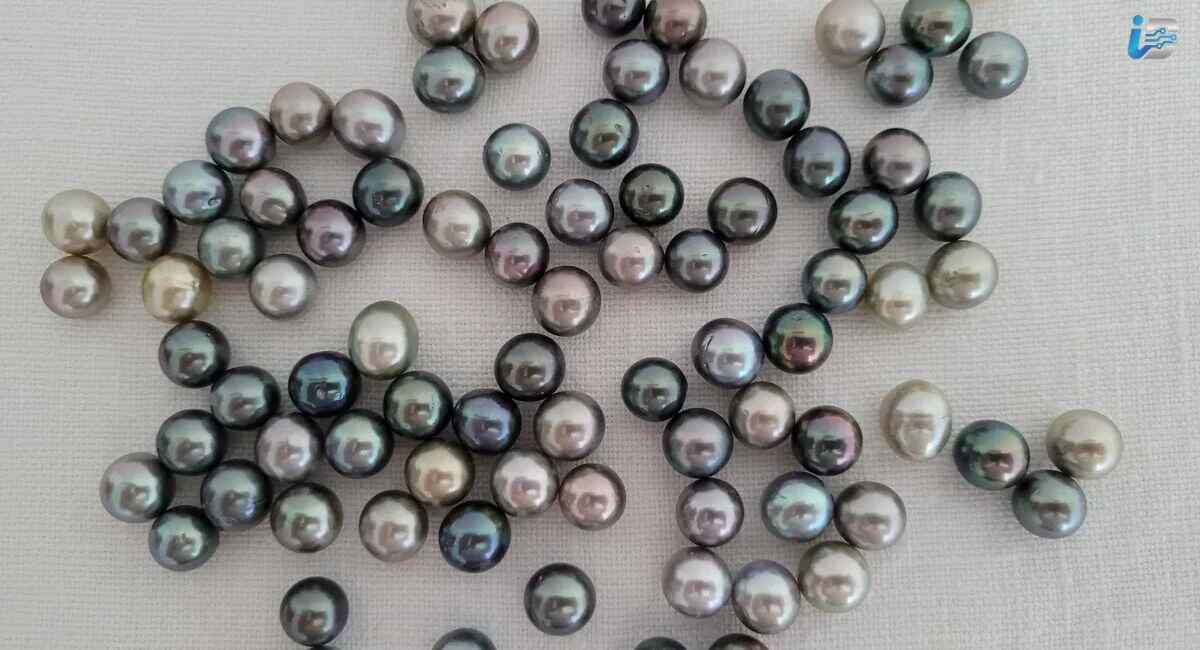
If you’re hunting for loose Tahitian pearls for sale, you’re almost certainly planning a custom piece rather than grabbing a finished necklace off a shelf. These pearls come from Pinctada margaritifera, the black-lipped oyster native to the lagoons of French Polynesia, and no two pearls that ever form inside it are identical. Buying loose Tahitian pearls unset hands you full control over size, luster, overtone, and shape before a jeweler ever touches them. But this is also where inexperienced buyers get burned — grading language shifts from seller to seller, and one flattering photo can hide a genuinely mediocre pearl. This guide walks through grading, sizing, pricing, drilling, and the red flags that separate a reputable dealer from a risky one.
What Are Loose Tahitian Pearls, and Why Buy Them Unset?
Loose Tahitian pearls are cultured pearls sold as single gemstones rather than strung into a finished piece. Each one comes from Pinctada margaritifera, a saltwater pearl oyster harvested across lagoons in French Polynesia, particularly around the Gambier, Mangareva, and Tuamotu archipelagos. Buying loose means choosing the exact pearl in front of you, not an average pulled from a pre-strung strand.
Custom jewelers, hobbyists, and collectors buy loose Tahitian pearls for sale to build bespoke jewelry — a solitaire pendant, a matched pair for earrings, or a one-of-a-kind necklace strand. It’s also the only realistic way to buy one investment-grade pearl without paying for an entire strand you don’t actually need.
How Tahitian Pearls Are Cultured and Graded
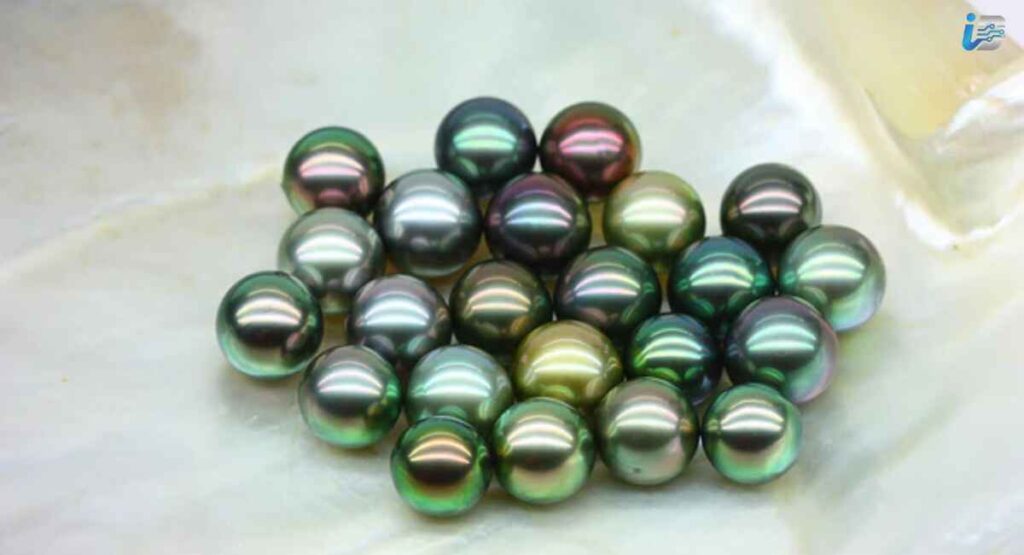
A pearl farmer grafts a bead nucleus and mantle tissue into the oyster, then suspends it in the lagoon for roughly 18 to 24 months while nacre builds up in layers around the nucleus. Healthy oysters can be re-nucleated after harvest, which is why Tahitian pearls reach the market in such varied sizes, shapes, and prices.
Before export, French Polynesia’s government mandates an X-ray inspection confirming a minimum 0.8mm nacre thickness; pearls that fail this test are destroyed at the pearl farm. This regulation, enforced through the GIE Tahiti Pearls trade association, is exactly why genuine Tahitian pearls hold real resale value against thin-nacre imitation pearls.
Understanding the AAA to A Grading Scale
Most Western sellers grade loose Tahitian pearls on the AAA-AA-A scale, while French Polynesia’s own A-D system remains standard at origin. Pearl graders warn that these two grading systems aren’t directly interchangeable, so confirm which scale a seller is using before comparing prices across two different listings.
A AAA-grade pearl shows mirror-like luster and at least 95% clean surface quality, with almost no visible blemish. Drop to A-grade and blemishes can cover up to a quarter of the surface — often perfectly fine for a pendant or ring, since a bail or prong setting can hide the flaw entirely.
Luster and Surface Quality
Luster is the single biggest driver of a Tahitian pearl’s beauty and long-term resale value. Look for sharp, mirror-like reflections rather than a flat or chalky finish — strong luster signals thick, well-formed nacre and a genuinely valuable pearl, regardless of its size or shape.
Color and Overtone
Tahitian body color ranges from pale silver-grey to true charcoal black, layered with an overtone such as peacock green, aubergine, or steel blue. Peacock overtones are the most prized among loose pearl buyers and consistently command the highest per-pearl premiums at auction.
Pearl Shape: Round, Baroque, and Everything Between
Shape is a core value factor that many buying guides skip entirely. Round and near-round pearls are the rarest outcome of the culturing process and sell at the steepest premium, since only a small fraction of any given harvest grows perfectly symmetrical.
Baroque, semi-baroque, button, drop, and circled pearls make up the bulk of most wholesale lots and offer real value — their organic curves and grooved rings don’t diminish luster or overtone, and jewelers often prefer them for distinctive, one-of-a-kind settings.
Loose Tahitian Pearl Sizes and What They Mean for Price
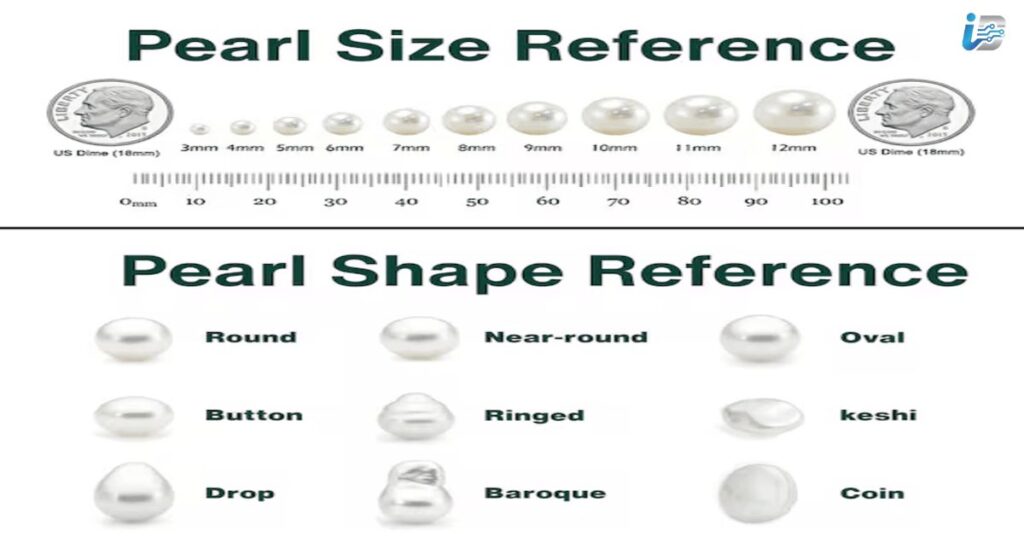
Loose Tahitian pearls typically run 8mm to 14mm, with rare pieces reaching 16mm or beyond. Each millimeter increase represents roughly a 20-25% larger pearl by volume, so a 10mm pearl is meaningfully bigger — and pricier — than a 9mm one at the identical grade and shape.
The 9-11mm size band is the most-requested range among custom jewelers, balancing a substantial look with accessible pricing. Pearls above 13mm often show softer, more satiny luster, since older oysters lay down nacre more loosely as their metabolism slows.
Loose Tahitian Pearl Price Guide by Size and Grade
Here’s a rough breakdown pearl graders and dealers commonly quote for loose Tahitian pearls for sale by size and grade:
| Size | A-Grade | AAA-Grade |
| 8-9mm | $30-$60 | $80-$150 |
| 9-11mm | $50-$100 | $150-$300 |
| 11-13mm | $100-$200 | $300-$600 |
| 13mm+ | $200-$400+ | $600-$1,500+ |
A matched pair for earrings costs more per pearl than a single pearl, since matching color, size, and luster across two pearls is genuinely difficult. Full wholesale lots offer the lowest per-pearl cost but sacrifice control over individual pearl quality.
Tahitian vs. Akoya vs. South Sea: How Loose Pearl Pricing Compares
Akoya pearls, cultured from Pinctada fucata, run smaller (2-10mm) and cheaper per loose pearl than Tahitians, but lack the natural black pearl color entirely — their signature is bright white with rosé overtones instead of peacock or aubergine.
South Sea pearls, from Pinctada maxima, overlap Tahitians in size but trade at a higher price premium thanks to thicker nacre and golden or white body color. Compared to both, Tahitian pearls hold the sweet spot between rarity, dramatic color, and accessible loose pearl pricing.
Drilled vs. Undrilled: Choosing the Right Loose Pearl
Undrilled pearls stay fully returnable and give a jeweler total flexibility for rings, pendant caps, or custom jewelry settings. Once a pearl is drilled, most reputable dealers won’t accept a return, since the hole is permanent and specific to your intended setting.
Standard half-drilled holes run about 0.9mm for pendant or ring mounts, while full-drilled holes for stringing typically measure 0.7mm to 0.8mm. If you’re using thicker silk cord or beading wire, request a custom, larger hole size before checkout.
How to Spot Fake Pearls and Buy From a Trustworthy Seller
Genuine Tahitian body color is entirely natural — never dyed. If a “black” pearl looks suspiciously uniform with zero overtone variation, or the price sits far below market rate for its stated grade, treat it as a warning sign before buying loose Tahitian pearls for sale from that source, and request a certificate of authenticity before paying.
Choose an online seller who discloses their grading system, provides close-up photos or video verification of the exact pearl (not a stock photo), and documents species, size, and provenance. Compare pricing across two or three reputable dealers for the same size and grade before you commit.
Best Uses, Care, and Storage for Loose Tahitian Pearls
Shoppers who buy loose Tahitian pearls for sale most often use them as the working stock behind custom jewelry — a single pearl set as a solitaire pendant, a matched pair mounted into earrings, or several combined into a necklace strand built around your exact overtone preference. Collectors also buy top-grade pearls purely as an investment, since rare, large, high-luster pieces tend to hold resale value over time — a favorite heirloom or birthday gift that only appreciates.
Store loose pearls separately in a soft storage pouch, away from harder gemstones that could scratch the nacre; Mohs hardness for pearls is low, so scratching is a real risk. Avoid perfume exposure and hairspray, both of which dull luster over time, and have drilled pearls restrung roughly every two years with fresh silk cord if worn often.
FAQs
What to look for when buying Tahitian pearls?
Check luster first, then overtone and surface quality — a high-luster pearl with clean surface beats a larger, duller one every time. Always ask for a certificate of authenticity.
What is the most valuable Tahitian pearl color?
Peacock — a green-black body color with pink, blue, and purple overtone — commands the highest premiums of any Tahitian color combination.
Is it cheaper to buy Tahitian pearls in Tahiti?
Not necessarily. Prices in French Polynesia skip some import markup, but you lose buyer protections, easy comparison shopping, and returns — reputable online dealers are often competitive once you factor those in.
How much is a single Tahitian pearl worth?
Roughly $30 for a small A-grade pearl up to $1,500+ for a rare, large AAA-grade pearl with strong peacock overtone.
Where is the best place to buy Tahitian pearls?
From an established dealer who discloses grading, provides close-up photos of the actual pearl, and backs every sale with a written certificate — not the lowest price you can find.
How to tell if a Tahitian pearl is real or fake?
Genuine body color is natural, never uniformly dyed — look for authentic overtone variation, request a certificate, and be wary of prices far below market rate.
Do Tahitian pearls hold their value?
Yes, especially rare, large pearls with high luster and strong overtone — quality matters far more than size for long-term resale value.
Is Hawaii or Tahiti more expensive?
Hawaii doesn’t produce Tahitian pearls itself — most “Hawaii” retailers import from French Polynesia, so prices run similar or slightly higher there due to added shipping and retail markup.
How much do black pearls cost in Tahiti?
Similar to loose pearls sold elsewhere: roughly $30-$60 for small A-grade pearls up to several hundred dollars for large, high-luster AAA-grade pearls.
How much does a single loose Tahitian pearl cost?
Prices range from about $30 for a small A-grade pearl to $1,500+ for a rare, large AAA-grade pearl with strong peacock overtone.
Are loose Tahitian pearls a good investment?
Rare, large, high-luster pearls with strong overtone can hold value well over time, though quality matters far more than size alone.
What size Tahitian pearl is most popular?
The 9-11mm size band is most requested, offering a substantial look at a far more accessible price than larger sizes.
Should I buy drilled or undrilled loose pearls?
Buy undrilled if you’re unsure of your final setting — drilled pearls usually can’t be returned once the hole is made.
How can I tell if a loose Tahitian pearl is real?
Ask for a certificate of authenticity, check for natural overtone variation, and be wary of prices far below market rate.
How is a Tahitian pearl different from an Akoya or South Sea pearl?
Tahitian pearls are the only naturally dark pearls, while Akoya pearls run smaller and whiter, and South Sea pearls trade at a higher premium.
Conclusion
Buying loose Tahitian pearls for sale rewards patience more than almost any other pearl purchase. Learn the grading system, ask pointed questions about luster, overtone, shape, and nacre thickness, and never skip the written certificate of authenticity. Whether you’re commissioning custom jewelry, matching a pair for earrings, or building a small investment-grade collection, the reputable dealers worth trusting are the ones who welcome your questions instead of rushing the sale. Start with a modest size and grade, learn how the pearl actually looks and feels in hand, then work your way up as your eye for quality sharpens.

Welcome to Infoz Style I am Karl Braun ,an Ai – powered SEO , and Content Writer With 4 Years of experience. I help Websites Rank higher , grow traffic , and look amazing . My goal is to make SEO and Web design simple and effective for everyone.
Let`s achieve more together !