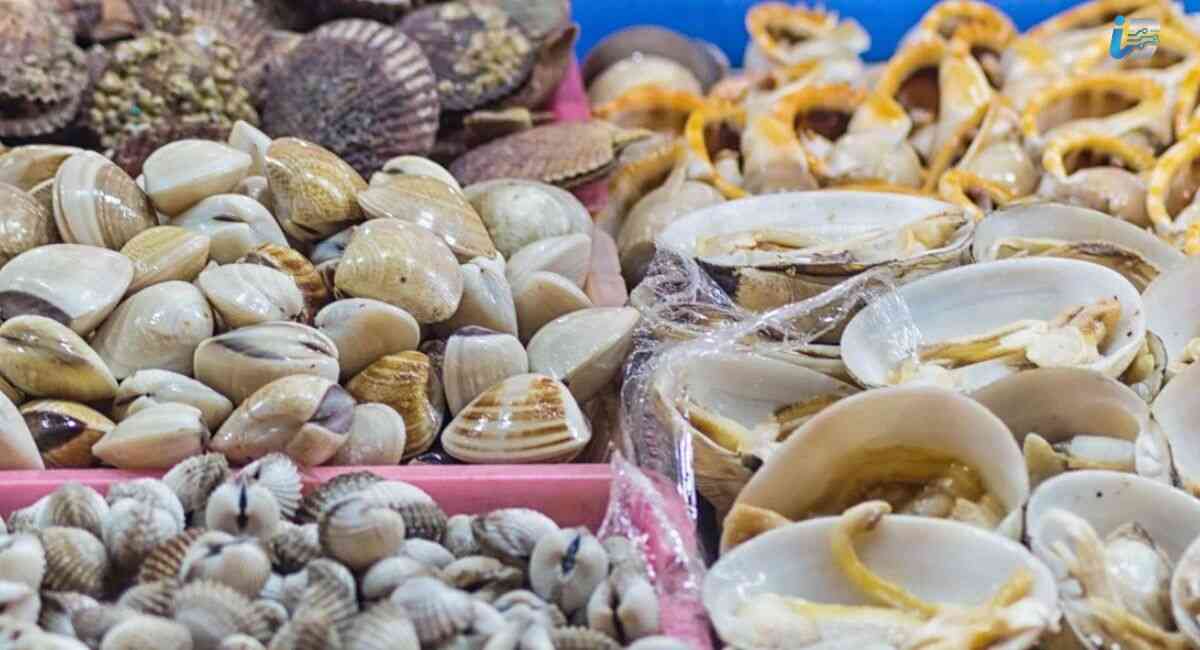
Naturally pearl-bearing clams live along the Atlantic coast (quahogs), Pacific Northwest tidal flats, and freshwater rivers with mussel beds — but genuine pearls are rare. For a guaranteed pearl, coastal “pearl experience” storefronts and mail-order kits use oysters, not clams.
If you’ve typed clams with pearls near me into Google, you’re probably picturing one of two things: cracking open a clam on a beach vacation and finding a shiny surprise inside, or booking one of those fun “guaranteed pearl” experiences you’ve seen all over TikTok. Here’s the truth — these are two completely different activities, and almost no guide online tells you that upfront. This article breaks down exactly where wild pearl-bearing clams live, where pearl hunting and clams with pearls near you intersect for a guaranteed experience, and what you’re actually likely to find either way.
The Real Answer: Two Ways to Find Clams With Pearls Near You
Before you drive to the coast with a bucket, understand this distinction. Wild clamming means digging up ordinary edible clams and hoping nature gave you a lucky one — a real gamble with no guarantee at all. A guaranteed pearl experience, on the other hand, is a paid activity where a shell has already been seeded with a pearl before you open it, purely for entertainment and gifting.
Neither option is “better” — they just answer different questions, and mixing them up is the biggest source of disappointment for first-timers. If you want a genuine natural pearl, formed by chance inside a bivalve mollusk, you’re clamming. If you want a guaranteed, photo-ready souvenir with none of the waiting, you’re buying an experience kit. Knowing which one you actually want before you start searching will save you a wasted trip.
Wild Clamming Near Me: Where Natural Pearl-Bearing Clams Live
Real, naturally occurring pearl clams aren’t scattered everywhere — they cluster around specific coastal and freshwater regions in the US. If you’re searching for pearl clams near me specifically, knowing the right clamming grounds and regional clam species matters far more than luck alone, since some areas simply don’t support pearl-bearing populations.
Atlantic Coast Quahogs
The quahog clam (Mercenaria mercenaria) is the most famous US pearl producer, found along the Eastern Seaboard from New England down through the Mid-Atlantic. New England quahogs occasionally produce a rare purple pearl, a genuine non-nacreous gemstone. Note this correction to a common myth: it was the quahog’s shell — not the pearl itself — that the Wampanoag people carved into wampum, the region’s early trade currency; the pearl and the shell are separate finds.
Pacific Northwest Clam Beds
Oregon and Washington’s tidal flats are popular for family clam digging, especially around Seaside Beach and similar public beaches. Diggers use a “clam gun” or shovel, watching for small breathing holes in wet sand during low tide, when the mudflats are fully exposed and clams sit closer to the surface.
Freshwater Mussels Inland
Many people forget freshwater mussels can carry pearls too. States like Wisconsin have documented pearl-bearing mussels in rivers and lakes for over a century, supporting a small local pearl jewelry cottage industry built entirely on wild river finds.
If you’re planning a trip specifically to hunt for wild clam pearls, the Atlantic coast gives you the best documented odds, followed by Pacific Northwest tidal flat clamming and inland river mussel beds. All three require patience, since a productive clam bed doesn’t guarantee a pearl-bearing specimen among the haul.
Your Real Odds of Finding a Pearl in a Clam
Here’s the pain point nobody addresses honestly: your odds are low. Gemologists estimate only about 1 in 100,000 quahog clams produces any pearl at all, and most of those aren’t attractive enough for jewelry-grade use. That’s the number competing articles never mention, and it’s the single most important expectation-setter for anyone planning a clamming trip specifically to find pearls.
To put that in perspective, it’s roughly the same order of magnitude as some scratch-lottery odds — worth trying for fun, but not something to count on for a windfall. Treat clamming as a genuinely enjoyable outdoor activity first, with a pearl as a rare bonus, and you’ll never leave the beach disappointed.
Seafood Markets Near Me: The Hidden Pearl Hunters’ Secret
You don’t have to dig at all. Some of the most valuable quahog pearls on record were discovered by ordinary people eating clam chowder or steamed clams at a restaurant. Since most pearls get destroyed by industrial shucking machines or cooking heat, a survivor is rare — but it happens more often than most shellfish diners realize.
If you eat clams regularly at a coastal seafood market or restaurant, chew carefully and set aside anything hard and smooth before swallowing. If you do find something, don’t assume it’s junk — take it to a gemologist or local jeweler for a quick look before tossing it, since even a small non-nacreous pearl can carry real value.
Guaranteed Pearl Experiences Near Me: Storefronts and Kits
If you want a sure thing, look for pearl-in-oyster experience shops, sometimes branded as “Pearl Factory” or similar names, found in coastal tourist towns like San Francisco’s Fisherman’s Wharf and San Diego. It’s worth being clear here: these attractions almost always use akoya oysters, not clams — the pearl is a real cultured pearl pre-placed for the experience, then set into jewelry on-site.
That distinction matters if you’re specifically chasing a clam pearl rather than an oyster pearl, since the two come from different mollusk families and produce different pearl types. For a true clam-sourced find, wild quahog clamming or a seafood-market pearl remains the only authentic route.
Mail-Order Pearl Kits
Retailers also sell pearl oyster kits online (Amazon and specialty jewelry sellers carry them) where a live oyster arrives with a guaranteed pearl inside, often paired with a necklace setting. These are a reliable, low-cost alternative if there’s no storefront pearl experience near you, and they make an easy gift for kids curious about marine life.
What Kind of Pearl Will You Actually Get? Nacreous vs. Non-Nacreous Clam Pearls
This is where most competing content gets the science wrong. Classic oyster pearls are nacreous — built from layered aragonite that creates that glossy, iridescent shine. Clam pearls, including quahog pearls, are technically non-nacreous pearls, also called calcareous concretions by the Gemological Institute of America and CIBJO, the world jewellery confederation. They have a dense, porcelain-like luster instead of the classic shine, with colors ranging from white and brown to the prized deep purple.
Non-nacreous pearls also score differently on the Mohs hardness scale (roughly 2.5–4.5 for quahog pearls) and form from calcite rather than the aragonite-rich structure of true nacre. That’s not a lesser quality — it’s simply a different gem classification, and collectors specifically seek out the rarer calcareous concretion varieties like quahog, conch, and tridacna pearls.
| Pearl Type | Source | Luster | Typical Shape |
| Quahog pearl | Atlantic clam | Porcelain-like | Button, oval, irregular |
| Conch pearl | Queen conch | Flame-like shimmer | Oval, teardrop |
| Tridacna pearl | Giant clam | Chalky white | Baroque, irregular |
| Oyster pearl | Saltwater/freshwater oyster | Iridescent nacre | Round, drop |
How to Tell If a Clam Might Have a Pearl Before You Open It
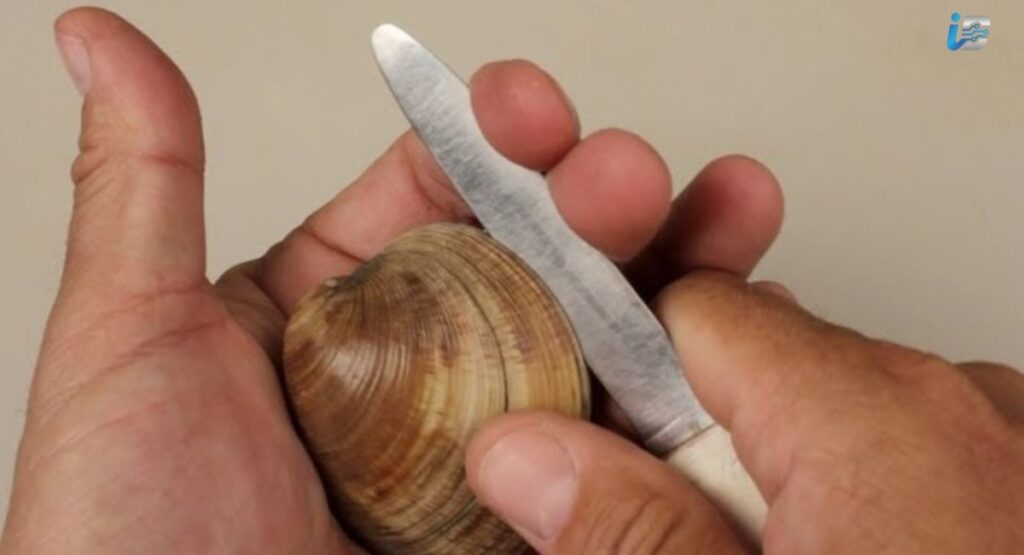
There’s no foolproof visual sign from the outside — this trips up a lot of first-timers hoping for a shortcut. Larger, older, thicker-shelled clams statistically have had more time to form a concretion, so mature quahogs and long-lived freshwater mussels are a slightly better bet than young, small specimens.
Beyond size and age, it genuinely comes down to chance, and no amount of shell-tapping or shape-reading reliably predicts a pearl inside. The only real way to know is to open the clam yourself or have your seafood professionally shucked and inspected.
What a Real Clam Pearl Is Worth
Value swings wildly based on color, symmetry, size, and surface quality — the same core factors gemologists use for any calcareous concretion. A well-formed purple quahog pearl has sold at auction for $10,000–$15,000, and exceptional specimens with strong color saturation have fetched considerably more.
Irregular, dull, or small ones may have little resale value beyond novelty, so don’t assume every find is a windfall. If you do find a genuine one, get it evaluated by a certified gemologist or send it to a lab like GIA before assuming either extreme, and consider insurance appraisal if it turns out to be valuable.
Local Laws and Permits Before You Go Clamming Near Me
Most US states require a shellfish permit or clamming license for recreational digging, with daily limits and closed seasons designed to protect wild populations. Rules vary heavily by state and even by specific beach, so always check your state’s fish and wildlife department before you head out.
Some tidal flats close due to water-quality advisories or seasonal red tide conditions, which can make shellfish unsafe to eat. Always check your state’s fish and wildlife or marine resources website, and never eat clams from unverified or polluted water, since shellfish poisoning is a genuine health risk in affected areas.
FAQs
How much does it cost to buy a clam with pearls?
A guaranteed pearl-in-oyster kit or storefront experience usually runs $15–$50. Rare wild-found clam pearls sold individually have no fixed price and are valued case by case.
How much is a real pearl from a clam worth?
Small or irregular ones may be worth little beyond novelty, but a well-formed purple quahog pearl has sold at auction for $10,000–$15,000, with exceptional specimens fetching more.
How much is a 75 lb pearl worth?
That’s the “Pearl of Puerto,” a 75-pound pearl found inside a giant clam in the Philippines in 2016. It’s been informally valued around $100 million, though it remains unauthenticated by a major gem lab.
Do jewelers buy pearls for cash?
Yes, many jewelers and gem buyers purchase loose or strung pearls, though the price depends heavily on whether they’re natural, cultured, or imitation.
Are grandma’s pearls worth anything?
Possibly — vintage pearls can be genuinely valuable, but only a professional appraisal can confirm whether they’re natural, cultured, or costume pearls.
Can you actually find pearls in clams?
Yes, but it’s rare — only about 1 in 100,000 quahog clams produces a pearl of any kind, and most aren’t gem-quality.
How rare is a clam pearl?
Extremely rare. That same 1-in-100,000 rate makes clam pearls one of the least common natural gems a person could stumble on.
How many pearls can be in one clam?
Usually just one. It’s rare, but a clam can occasionally produce two or more small pearls at once.
Where do you find giant clams with pearls?
Giant clams (Tridacna) live on coral reefs across the Indo-Pacific, especially around the Philippines, Indonesia, and other South Pacific waters.
Where to farm pearl-bearing clams?
Commercial clam pearl farming isn’t common in the US. Most cultivated pearls instead come from oyster farms in places like Japan, French Polynesia, and Australia.
Can you take a pearl out of a clam without killing it?
No. Harvesting a natural pearl means opening and killing the clam — unlike oysters, clams aren’t typically used for repeatable, non-lethal pearl culturing.
Why can’t you wear pearls in water?
Chlorine, saltwater, and even sweat contain chemicals that gradually dull or erode a pearl’s delicate nacre coating.
Can a jeweler tell me if my pearls are real?
Yes. A jeweler or gemologist can check authenticity with simple tests like the tooth test or a loupe, though lab certification gives the most definitive answer.
What color pearl is most expensive?
Rare natural colors like deep purple (quahog), vivid orange (melo), and true black (Tahitian) command the highest prices.
What did Jackie Kennedy say about pearls?
She’s widely quoted as saying, “Pearls are always appropriate.”
Can any clam have a pearl inside?
Technically yes, but it’s extremely rare — roughly 1 in 100,000 for quahogs, and most aren’t gem-quality.
Are clam pearls real pearls?
Gemologically, yes, but they’re classified as non-nacreous pearls (calcareous concretions), not the classic nacreous pearls from oysters.
Where’s the best US state to find pearl clams?
New England (quahogs), the Pacific Northwest (tidal flat clams), and Wisconsin (freshwater mussels) all have documented histories of pearl finds.
Is there a guaranteed way to get a pearl from a clam?
Not from a clam specifically — guaranteed pearl-in-oyster experiences and mail-order kits use oysters, not clams, to pre-seed a real pearl every time.
Were quahog pearls used to make wampum?
No — wampum beads were carved from the quahog’s shell, not the pearl. The pearl and the shell are two separate, unrelated finds from the same clam.
Conclusion
So, where can you find clams with pearls near you? For the thrill of nature, try a permitted beach on the Atlantic coast, the Pacific Northwest, or a river known for mussels — just keep your expectations realistic given the real odds. For a guaranteed keepsake, remember those experiences use oysters, not clams. Either way, you now know exactly what to look for.

Welcome to Infoz Style I am Karl Braun ,an Ai – powered SEO , and Content Writer With 4 Years of experience. I help Websites Rank higher , grow traffic , and look amazing . My goal is to make SEO and Web design simple and effective for everyone.
Let`s achieve more together !