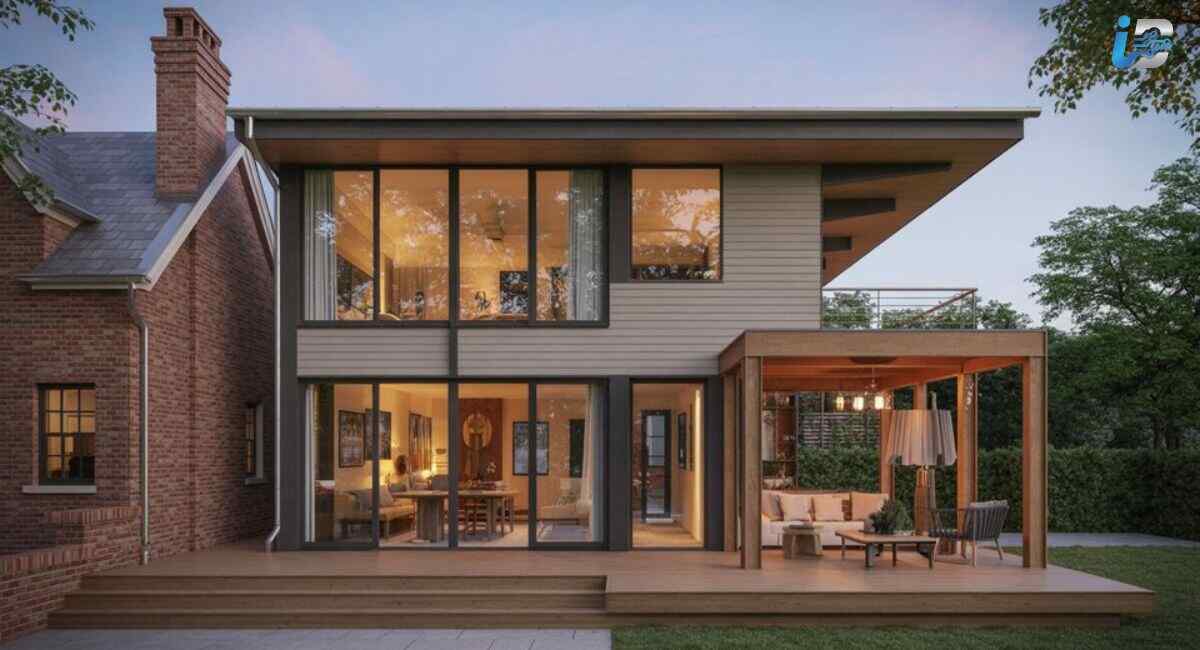
As families grow and lifestyle needs change, many homeowners look for practical ways to create more space without moving. Home additions offer a flexible solution by increasing living space, improving functionality, and enhancing overall comfort. Whether you need an extra bedroom, a larger kitchen, or a private home office, the right home expansion can transform how you use your property.
Beyond convenience, well-planned house additions can also boost property value and provide a strong return on investment. From simple room extensions to detached living units, there are many options available. Understanding the different types of additions can help you choose the best solution for your budget, goals, and future needs.
What Is a Home Addition?
A home addition is a project that adds new usable space to your house. Unlike basic renovations, home additions create additional living space through a new room, expanded living area, or a home extension. They offer a flexible way to improve comfort, meet changing family needs, and increase home value without moving to a new home.
Room Addition (Traditional Room Extension)
A room addition is one of the most common and practical solutions for homeowners seeking more space. This type of project involves full room construction attached to the existing structure. Many families add a guest bedroom, larger family room, private home office space, or even a luxurious master suite. It is among the most popular home addition ideas because it blends naturally with the existing layout.
Compared with other types of home additions and their costs, a traditional room extension offers excellent versatility. The project may require foundation work, framing, drywall installation, and upgrades to electrical systems and the HVAC system. While the investment can be significant, many homeowners consider it one of the most valuable home additions because of its strong impact on daily comfort and future resale potential.
Bump-Out Addition
A bump out addition expands an existing room without requiring a large-scale construction project. Homeowners often use this option to enlarge a small kitchen, create a cozy breakfast nook, add a walk-in pantry, or make a cramped bathroom feel more comfortable. This approach works especially well for home additions for small houses where available land is limited.
One reason the bump out addition remains popular is affordability. Compared with a full-size house addition, it often requires less excavation work, fewer materials, and lower labor costs. Many experts consider it the cheapest home addition for homeowners who want to maximize living space without dramatically increasing construction complexity. It is also a strong choice when comparing a room addition vs bump out project.
Sunroom Addition
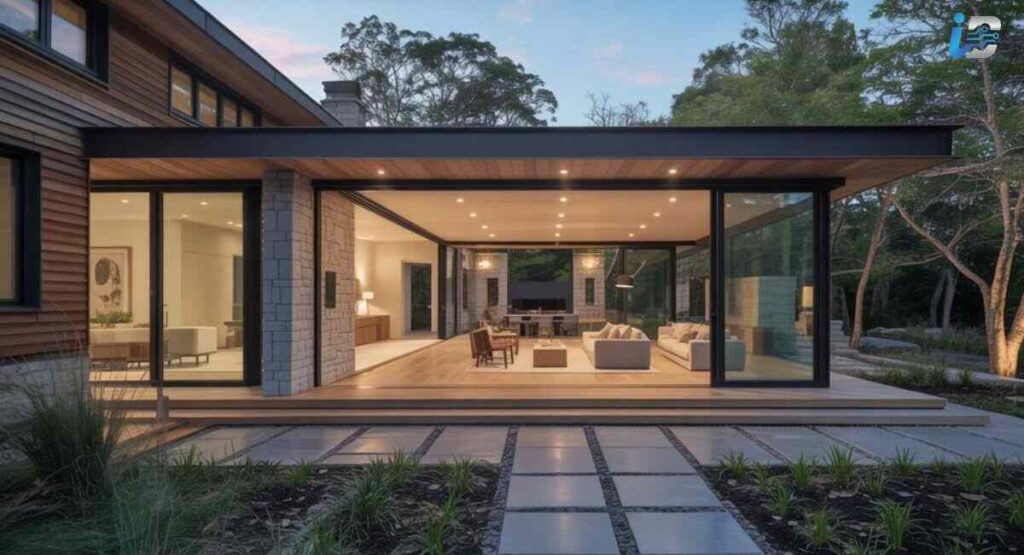
A sunroom addition creates a bright and inviting area filled with natural light. These spaces often feature large glass panels and connect indoor comfort with outdoor views. Homeowners commonly use a sunroom as a reading area, relaxation zone, dining space, or indoor garden. Depending on design goals, you can choose a three-season room or a four-season room.
A well-designed sunroom addition can significantly improve the appeal of a property. Modern designs include advanced insulation, energy-efficient windows, and climate control systems. While the sunroom addition cost varies widely, many homeowners appreciate the added comfort and improved property appreciation. A quality sunroom can also serve as a beautiful functional space for entertaining family and friends.
Garage Conversion
A garage conversion transforms an underused garage into valuable living space. Instead of storing unused items, homeowners often convert the area into a home gym, entertainment room, guest quarters, or a professional workspace. Since the primary structure already exists, a conversion is often viewed as a cost-effective addition.
Many homeowners researching garage conversion ideas and costs discover that these projects require fewer structural changes than traditional additions. However, proper plumbing installation, upgraded electrical systems, sufficient ventilation, and a modern HVAC system are often necessary. When completed correctly, a garage conversion can improve comfort, increase usable space, and help boost property value without changing the home’s footprint.
Home Addition Cost Comparison
| Addition Type | Typical Cost Range |
| Room Addition | $20,000 – $100,000+ |
| Bump Out Addition | $10,000 – $50,000+ |
| Sunroom Addition | $15,000 – $80,000+ |
| Garage Conversion | $6,000 – $30,000+ |
| Attic Conversion | $7,500 – $35,000+ |
| Basement Conversion | $15,000 – $75,000+ |
| ADU / DADU | $60,000 – $300,000+ |
| Second-Story Addition | $150,000 – $600,000+ |
“The best addition is not always the largest one. The best addition is the one that solves your family’s needs while increasing long-term value.”
Attic and Basement Conversions
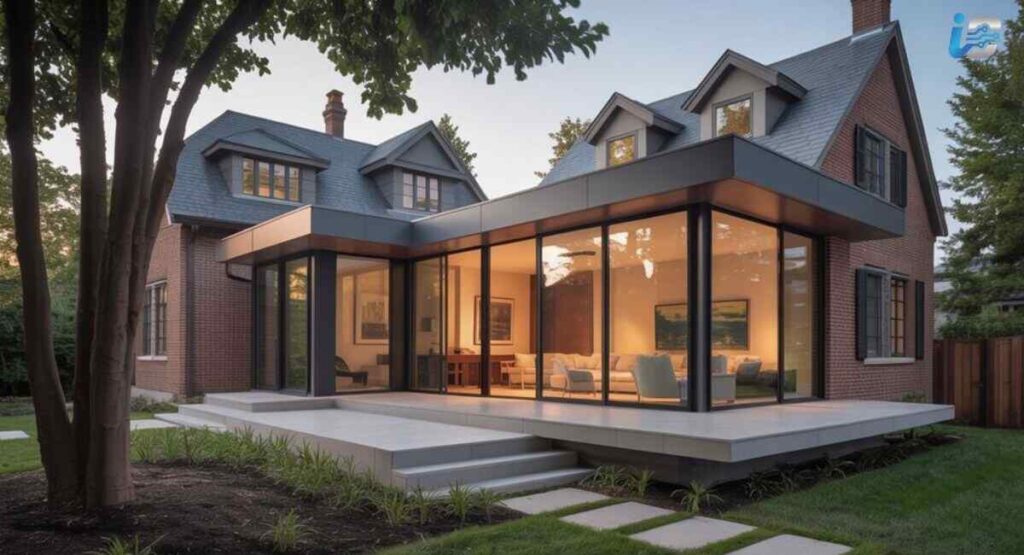
Unused areas often hide some of the best opportunities for expanding a home. An attic conversion or basement conversion allows homeowners to unlock valuable additional living space without extending the home’s footprint. These projects are especially popular among families who need another bedroom, private home office, hobby room, or flexible guest area. Since the structure already exists, they can often cost less than a traditional addition.
A successful conversion requires careful planning. An attic remodeling project may need stronger flooring, improved insulation, and better ventilation. A finished basement may require moisture control, upgraded lighting, and properly installed egress windows to meet safety standards. Many homeowners researching attic conversion cost and benefits or basement finishing cost find that these projects deliver excellent functionality while helping increase resale value.
Second-Story Addition
When land is limited, building upward becomes a practical solution. A second-story addition can nearly double a home’s usable area while preserving outdoor features such as a yard, patio, or deck. This option works well for a growing family that needs multiple bedrooms, an extra bathroom, or a spacious living room.
Although a second-story addition cost can be significant, the rewards are often substantial. These projects typically require structural reinforcement, engineering evaluations, and upgrades to the existing foundation. Homeowners should also prepare for temporary disruptions during construction. Despite the challenges, a second level often provides one of the most dramatic ways to add square footage and maximize a property’s long-term value.
Accessory Dwelling Units (ADUs) and Tiny House Additions
An accessory dwelling unit, commonly called an ADU, is a separate living structure built on the same property as the primary residence. These units may function as a guest house, private office, or independent living quarters. A detached version is often referred to as a DADU. In many areas across the United States, these structures have become increasingly popular because they provide flexible housing options.
Homeowners frequently use an ADU, granny flat, in-law suite, or tiny house addition to support aging parents, adult children, or long-term guests. Many investors also use these structures to create rental income through long-term leases. When comparing ADU vs traditional home addition, the biggest advantage is independence. A detached unit can function as a fully self-contained rental unit with its own utilities and private entrance.
Home Addition Costs by Type
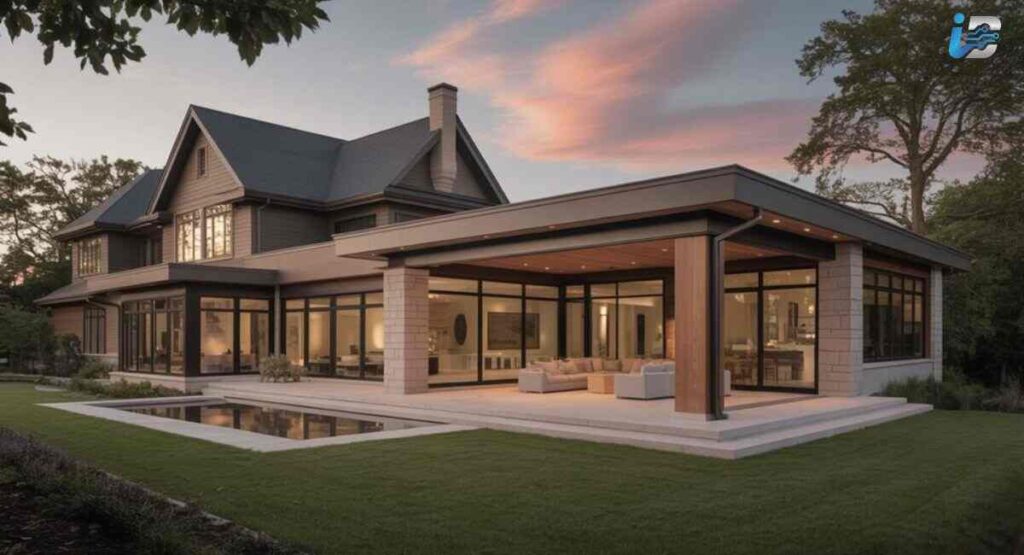
Understanding home addition costs is essential before starting any project. Costs vary based on size, design complexity, local labor rates, and material quality. Factors such as foundation costs, material costs, and labor costs often account for the largest portion of the overall budget. Projects that involve extensive plumbing installation, electrical upgrades, or custom finishes generally require a larger renovation budget.
Smart homeowners evaluate expenses alongside long-term benefits. A quality addition can improve comfort while delivering strong ROI and future investment value. Many families explore financing options such as a home equity loan, HELOC, personal financing, or refinancing. Understanding how much does a home addition cost allows homeowners to choose a project that matches both their goals and financial situation.
How to Choose the Right Home Addition for Your Property
Choosing the right addition begins with understanding your current and future needs. Some homeowners need a larger family room while others need a private guest suite, expanded kitchen expansion, or dedicated workspace. Successful home addition planning focuses on solving real lifestyle challenges rather than simply adding more square footage.
Property limitations also play a major role. Local zoning regulations, neighborhood restrictions, lot size, and existing structural conditions influence what is possible. Homeowners researching how to choose a home addition should carefully evaluate budget, family needs, and future plans. The best project balances functionality, affordability, and long-term appreciation while helping maximize living space.
Professional Contractor vs DIY Home Addition
Many homeowners consider DIY vs contractor when planning a renovation. While smaller projects may be suitable for experienced DIY enthusiasts, larger additions require professional knowledge. A qualified contractor understands building permits, local building codes, safety standards, and complex structural systems. Their expertise can help avoid expensive mistakes and project delays.
Professional contractor services often include project management, scheduling, inspections, and quality control. Large-scale additions may require an architect, engineers, and specialized trades. Projects involving load-bearing walls, major roofing system modifications, or utility upgrades should almost always be handled by licensed professionals. Investing in expert help can protect both your budget and your home’s long-term value.
Which Types of Home Additions Add the Most Value?
Not all additions generate the same financial return. The best home additions for increasing property value typically solve practical needs while improving daily functionality. Projects such as a room addition, finished basement, expanded kitchen, or additional bathroom often attract strong buyer interest because they improve how a home functions.
Many real estate professionals consider ADUs among the best home additions for resale value, especially in areas with high housing demand. A thoughtfully designed home office space, upgraded master suite, or modern open-concept kitchen can also help increase home value. The key is choosing improvements that match neighborhood expectations and local market trends.
Common Mistakes to Avoid When Planning Home Additions
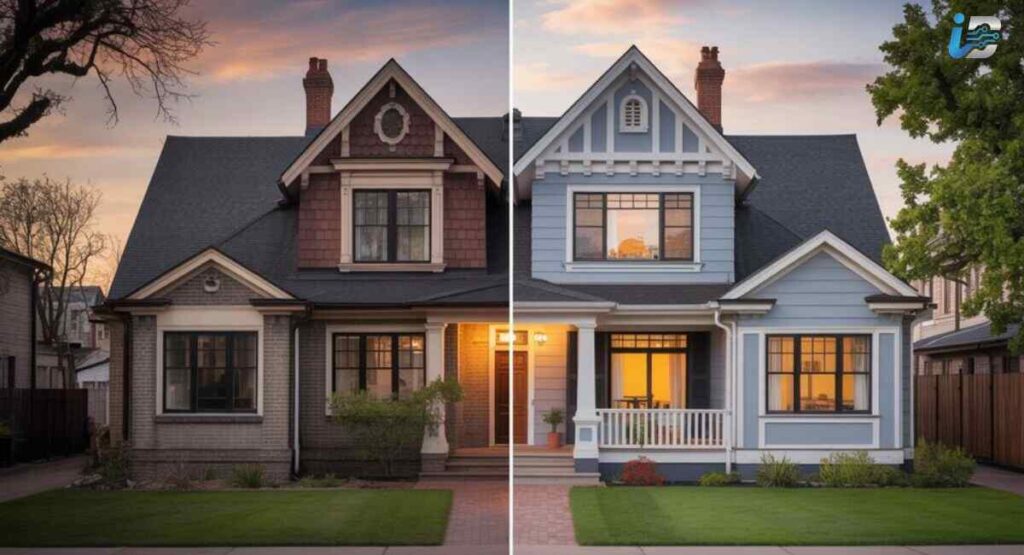
One common mistake is underestimating project costs. Homeowners sometimes focus only on construction and overlook expenses related to permits, engineering, inspections, and utility upgrades. Failing to account for these factors can place unnecessary pressure on a project’s budget and timeline.
Another mistake involves ignoring long-term goals. Some homeowners build additions that do not align with future family needs or neighborhood standards. Whether evaluating a home addition before selling house or planning a permanent upgrade, every decision should support future usability and value. Thoughtful planning helps avoid costly redesigns and disappointing results.
FaQs
What is the cheapest home addition?
A bump out addition is often considered the most affordable option because it expands an existing room without requiring extensive structural changes.
Is it cheaper to build a house or add an addition?
In most cases, adding an addition is cheaper than building a new house because you already have the land, foundation, and utility connections in place.
What is the 30% rule for renovations?
The 30% rule suggests spending no more than about 30% of your home’s current value on renovations to avoid over-improving beyond neighborhood market standards.
How much does a 12×12 home addition cost?
A 12×12 (144 sq. ft.) home addition typically costs between $15,000 and $45,000+, depending on materials, location, and whether plumbing or electrical work is required.
Is it cheaper to build a house or add an addition?
Generally, a home addition costs less than building a new house because it uses part of the existing structure and infrastructure.
What would a 20×20 addition cost?
A 20×20 (400 sq. ft.) addition usually costs between $40,000 and $120,000+, with higher-end finishes and utilities increasing the price.
What are common home addition mistakes?
Common mistakes include underestimating costs, skipping permits, hiring unqualified contractors, poor planning, and building an addition that doesn’t match the home’s style.
What is the most expensive part of a home addition?
The most expensive components are often foundation work, structural framing, roofing, and plumbing/HVAC installations, especially for large additions.
What devalues a house most?
Poor maintenance, outdated interiors, structural problems, bad renovations, neighborhood decline, and unresolved permit issues can significantly reduce a home’s value.
Conclusion
Choosing the right type of home addition can add space, improve comfort, and increase your home’s value. Whether it’s a new room, garage conversion, sunroom addition, or ADU, the best option depends on your budget, lifestyle, and future needs. With proper planning, home additions can enhance functionality and deliver long-term resale value.

Welcome to Infoz Style I am Karl Braun ,an Ai – powered SEO , and Content Writer With 4 Years of experience. I help Websites Rank higher , grow traffic , and look amazing . My goal is to make SEO and Web design simple and effective for everyone.
Let`s achieve more together !