Understanding different types of diamonds, diamond shapes, and their importance is essential for anyone planning to buy a diamond with confidence. While many buyers focus only on sparkle, size, or appearance, the real value of a diamond lies in its internal structure, chemical composition, and type diamonds classification. These hidden factors determine rarity, color, price, and long-term value.
Diamonds are not all the same. They are scientifically classified based on nitrogen impurities, boron content, and crystal structure. This classification helps gemologists identify whether a diamond is common, rare, or extremely valuable.
What Is a Diamond?
A diamond is a natural gemstone made entirely of carbon atoms arranged in a diamond cubic crystal structure. Under extreme heat and pressure deep within the Earth’s mantle, carbon atoms bond tightly over billions of years to form one of the hardest natural materials on Earth.
This rigid diamond lattice gives diamonds their famous brilliance, fire, and durability. During formation, trace elements like nitrogen and boron can become trapped inside the crystal. These elements influence diamond color, clarity, and rarity, creating variations such as yellow, blue, pink, and colorless diamonds.
Diamonds are widely used in engagement rings and fine jewelry because they symbolize strength, purity, and eternal love.
How Diamonds Form Naturally
Natural diamonds form deep beneath the Earth under extreme heat and pressure. Over time, volcanic eruptions bring them closer to the surface, where they are mined.
The atomic structure remains unchanged, making diamonds extremely stable and durable. Their carbon composition and crystal lattice are responsible for unmatched hardness and optical brilliance.
Understanding Diamond Types and Classification
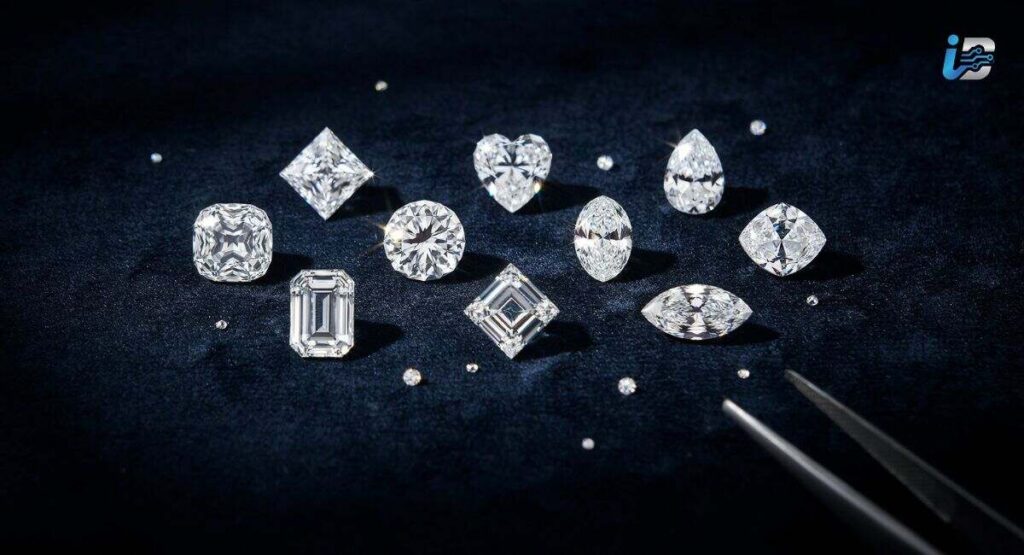
The term diamond types refers to scientific classification based on internal impurities and chemical composition. This process is known as diamond typing.
Gemologists use tools like FTIR spectroscopy, UV fluorescence, and infrared testing to study diamonds. These methods help identify nitrogen or boron presence inside the crystal.
Diamonds are mainly divided into:
- Type I Diamonds
- Type II Diamonds
This classification plays a major role in determining rarity, color, and value.
Type I Diamonds Explained
Type I Diamonds are the most common diamonds in the world. They contain measurable nitrogen impurities, which influence their color and appearance.
Type Ia Diamonds
These make up the majority of natural diamonds. Nitrogen atoms form clusters inside the crystal. Most Type Ia diamonds appear near-colorless, though some show slight yellow or brown tones.
Type IaA vs Type IaB Diamonds
- Type IaA Diamonds: Nitrogen atoms paired together, minimal color impact
- Type IaB Diamonds: Larger nitrogen groups, can create yellow or brown shades
Type Ib Diamonds
Type Ib diamonds contain isolated nitrogen atoms, which create intense yellow diamond color. These are rare and highly valued by collectors.
Overall, Type I diamonds dominate the market but vary widely in quality and appearance depending on nitrogen structure.
Type II Diamonds Explained
Type II Diamonds are extremely rare and contain little or no measurable nitrogen impurities. Their purity gives them exceptional brilliance and value.
Type IIa Diamonds
These are the purest natural diamonds with almost no nitrogen or boron. Many famous colorless diamonds belong to this category. They can also appear in rare pink or brown tones due to structural distortions.
Type IIb Diamonds
These diamonds contain boron, which produces stunning blue diamond colors. They are among the rarest gemstones in the world.
Type II diamonds represent the highest level of rarity and are often found in record-breaking auction pieces.
Diamond Types Summary Table
| Type | Key Element | Color Range | Rarity |
| Type Ia | Nitrogen clusters | Near-colorless to yellow | Common |
| Type Ib | Isolated nitrogen | Deep yellow | Very rare |
| Type IIa | None (very pure) | Colorless, pink, brown | Rare |
| Type IIb | Boron | Blue, gray-blue | Extremely rare |
Diamond Shapes vs Diamond Types
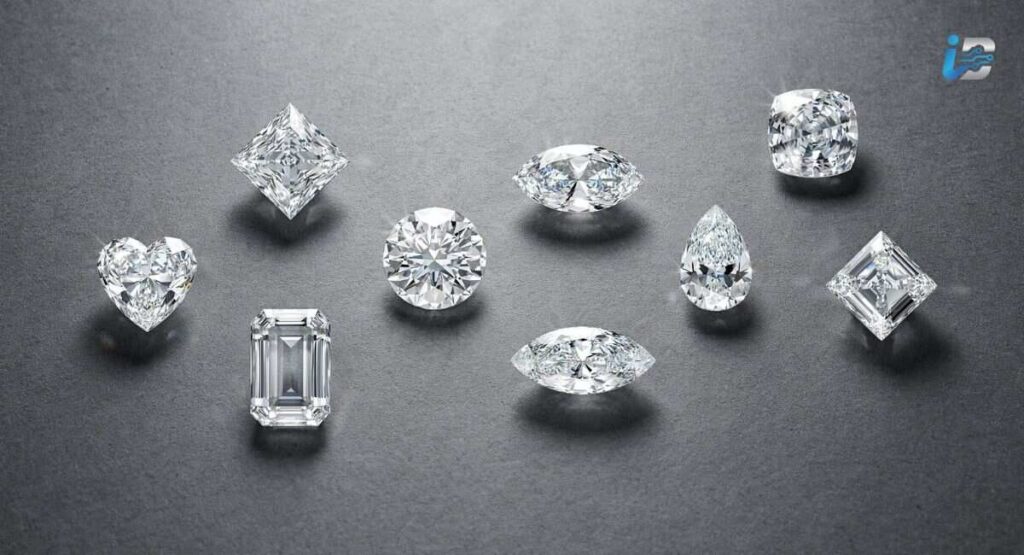
Many buyers confuse diamond shapes with diamond types, but they are completely different.
- Diamond Type = Internal structure and chemical composition
- Diamond Shape = External appearance and cut outline
A diamond’s type stays the same regardless of whether it is cut into a Round Brilliant Diamond, Oval Diamond, or Emerald Cut Diamond.
Shape affects appearance, while type affects rarity and value.
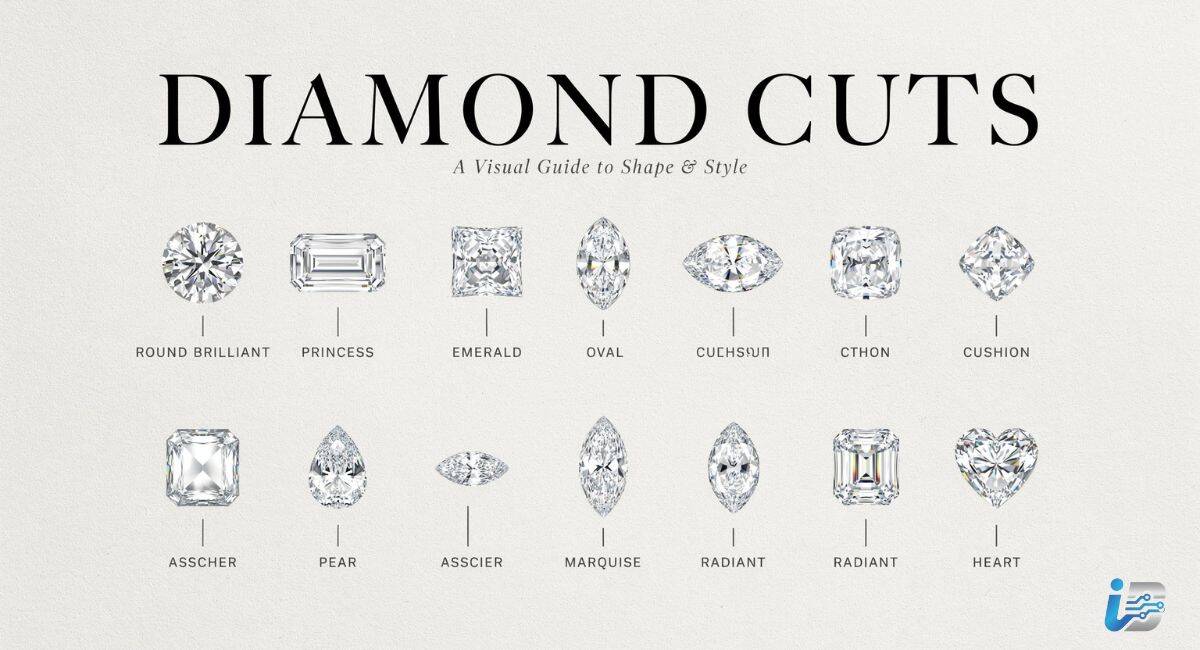
Popular Diamond Shapes and Their Features
Round Brilliant Diamond
The most popular diamond shape with maximum sparkle and brilliance due to ideal light reflection.
Oval Diamond
Elongated shape that creates a larger visual appearance while maintaining strong brilliance.
Pear Shape Diamond
A mix of round and pointed tip design, offering a unique and elegant look.
Marquise Cut Diamond
Long, stretched shape that maximizes perceived size and finger coverage.
Princess Cut Diamond
Square shape with sharp brilliance, modern and affordable.
Emerald Cut Diamond
Step-cut design focusing on clarity and elegance rather than sparkle.
Radiant Cut Diamond
Combines brilliance of round cuts with rectangular shape and strong sparkle.
Asscher Cut Diamond
Vintage square shape with deep step facets and mirror-like reflections.
Cushion Cut Diamond
Soft corners with romantic appeal and balanced brilliance.
Heart Shape Diamond
Symbol of love and commitment, often used in sentimental jewelry.
How Diamond Shape Affects Appearance
Diamond shape influences how light travels inside the stone. This affects:
- Brilliance (white light reflection)
- Fire (color flashes)
- Scintillation (sparkle movement)
Elongated shapes like oval and marquise often appear larger than round diamonds of the same carat weight. This makes them popular for buyers seeking visual size without increasing budget.
Some shapes may show a bow-tie effect, a dark shadow in the center, especially in poorly cut elongated diamonds.
Why Diamond Type Matters
Understanding diamond types helps buyers evaluate:
- Rarity
- Color origin
- Investment value
- Natural purity
- Treatment history
For example, Type IIa diamonds are significantly rarer and more valuable than most Type I diamonds. This makes classification crucial for serious buyers and investors.
Natural vs Lab-Grown Diamonds
Natural and lab-grown diamonds share the same chemical structure, but their origin differs.
Natural Diamonds
Formed over billions of years deep inside the Earth. Extremely rare and often more valuable due to natural origin.
Lab-Grown Diamonds
Created in laboratories using:
- HPHT (High Pressure High Temperature)
- CVD (Chemical Vapor Deposition)
They are more affordable but generally have lower resale value.
Both types look identical visually, but natural diamonds are preferred for rarity and long-term value.
How to Choose the Right Diamond
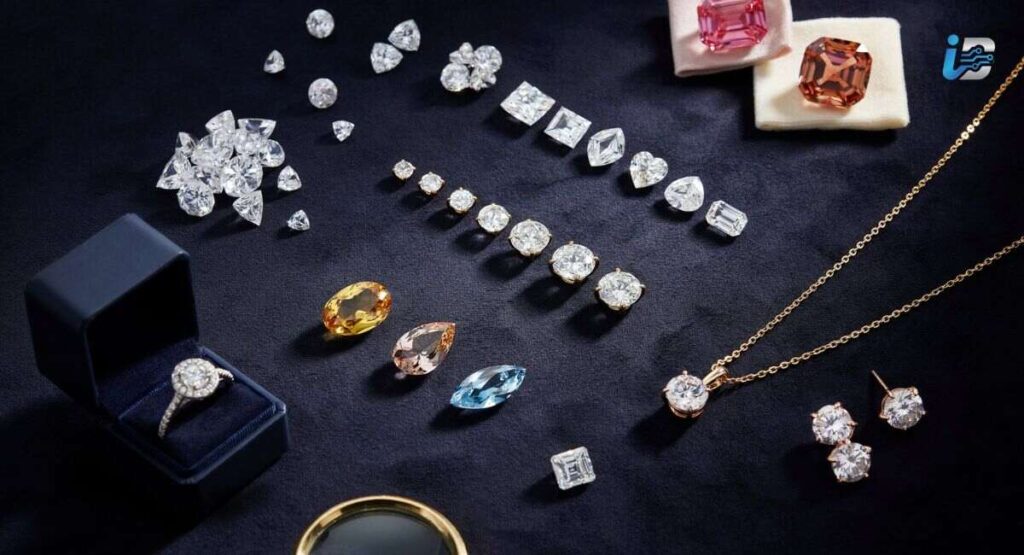
Choosing the right diamond depends on balancing the 4Cs (Cut, Color, Clarity, Carat) along with diamond type and shape.
Key buying tips:
- Prioritize cut quality for maximum sparkle
- Choose shape based on style and finger appearance
- Consider Type II diamonds for investment value
- Stay within budget without sacrificing quality
- Always check certification
Engagement Ring Advice
Popular engagement choices include round, oval, cushion, and emerald shapes due to their beauty and durability.
Diamond Certification Importance
A GIA certified diamond ensures authenticity and accurate grading. Certification verifies:
- Carat weight
- Cut quality
- Color grade
- Clarity grade
- Treatments (if any)
A proper diamond grading report builds trust and prevents overpaying.
Diamond Color and Value
Diamonds also come in fancy colors like yellow, blue, pink, green, and red. These colors are caused by trace elements or structural changes.
- Yellow: Nitrogen presence
- Blue: Boron presence
- Pink/Red: Structural distortion
Fancy colored diamonds can be more valuable than colorless diamonds depending on rarity and intensity.
Conclusion
Understanding diamond types, diamond shapes, and diamond classification is essential for making a smart purchase. Types explain internal composition and rarity, while shapes define external beauty and style.
From common Type Ia diamonds to ultra-rare Type IIb blue diamonds, each category has unique value. Similarly, shapes like round, oval, emerald, and cushion cuts influence brilliance and appearance.
By combining knowledge of diamond typing, shapes, certification, and the 4Cs, buyers can confidently choose diamonds that match their style, budget, and long-term goals.

Welcome to Infoz Style I am Karl Braun ,an Ai – powered SEO , and Content Writer With 4 Years of experience. I help Websites Rank higher , grow traffic , and look amazing . My goal is to make SEO and Web design simple and effective for everyone.
Let`s achieve more together !
1 thought on “Complete Guide to Diamond Types, Shapes, and Importance”