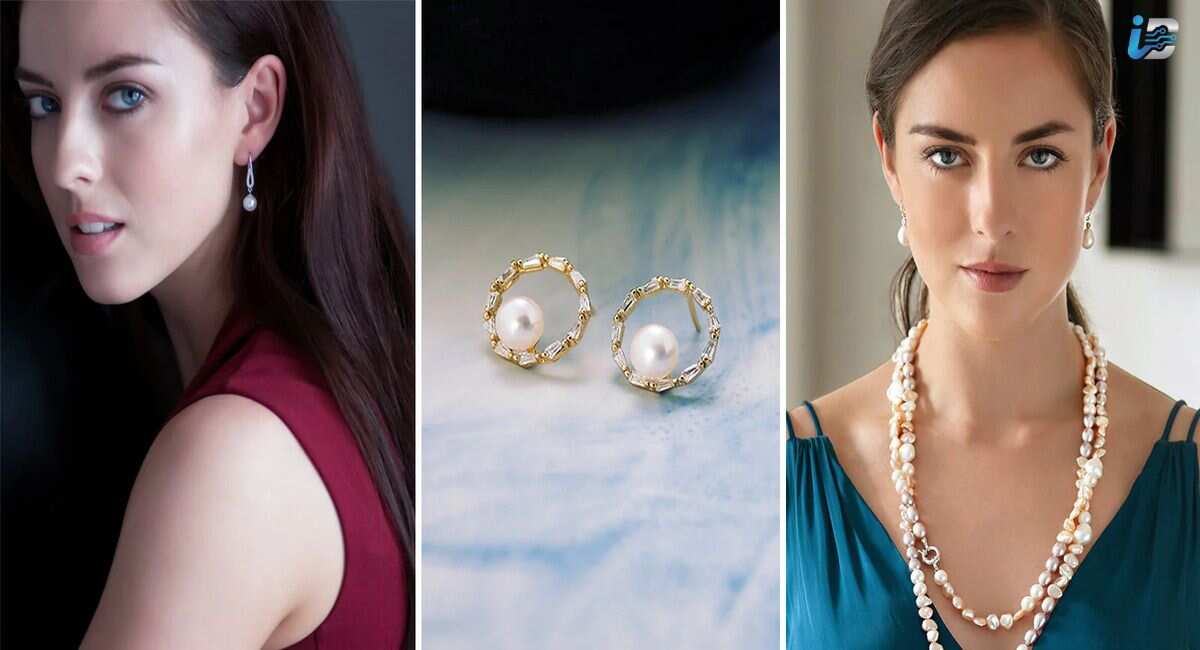
Pear drop earrings have one of the longest résumés in fine jewelry — the same teardrop silhouette shows up on Georgian-era heirlooms and on this season’s runway looks. If you’ve ever wondered why this earring shape flatters nearly every face, or what actually separates a true pear-cut gemstone from a marquise or briolette, this guide covers it: the history, the gemstone symbolism, the safest metals for sensitive ears, and how to style and care for them so they last.
What Are Pear Drop Earrings?
A pear drop earring features a teardrop-shaped gemstone or charm — rounded on one end, tapering to a point on the other — suspended below the earlobe. The shape is formally known as a pear cut, one of the oldest fancy diamond cuts in jewelry history, distinct from a round, marquise, or briolette cut.
Unlike stud earrings, which sit flush against the ear, this dangle earring style moves with you, catching light from multiple angles. That subtle motion is what gives the design its signature elongated silhouette and sense of quiet movement rather than static sparkle.
A Brief History and Symbolism of the Pear Cut
The pear-shaped cut dates back to the 1400s, credited to Flemish diamond polisher Lodewyk van Bercken, who combined the brilliance of a round cut with the elongated point of a marquise cut. Older references sometimes call it a teardrop cut or pendeloque cut, terms still used in antique and estate jewelry listings.
Beyond aesthetics, the shape carries genuine gemstone symbolism — commonly linked to tears of joy, emotional balance, and the meeting point of two contrasting forms. That mix of soft curves and a sharp point has made the style a fixture in bridal jewelry and everyday statement accessories for centuries, according to gemological historians at the GIA.
Types by Material: Diamond, Pearl, and Gemstone
Not every version of this earring style is built the same way. The material changes both price and which occasions the piece suits best.
Diamond and Lab-Grown Diamond
Diamond versions offer maximum brilliance and sparkle, whether set with natural diamonds or budget-friendly lab-grown diamonds. A halo setting or pavé diamond accent at the top adds shine without overwhelming the drop.
Pearl
Pearl versions trade sparkle for lustrous, organic elegance. Freshwater pearls, Akoya pearls, and Tahitian pearls are the most common choices, each prized for cultured pearl quality and a soft finish suited to bridal jewelry.
Colored Gemstone and Cubic Zirconia
For color, pear-shaped gemstones like sapphire, emerald, aquamarine, or topaz add birthstone jewelry appeal. Cubic zirconia and moissanite deliver comparable faceted sparkle at a fraction of the cost — a practical choice for anyone rotating costume jewelry often.
How to Choose Them for Your Face Shape
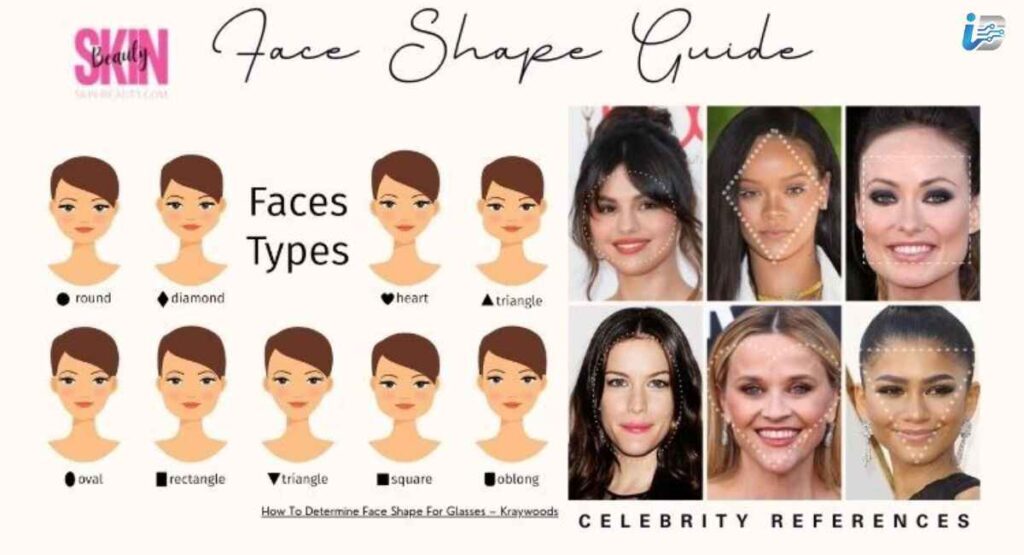
The right earring shape should work with your features, not against them. This style is one of the most universally flattering dangle earring options, but a few adjustments help it perform better on specific face shapes.
If you have a square face shape, the curved silhouette softens angular jawlines — sharp, geometric earrings tend to accentuate that squareness instead. For a round face, a longer drop length works best; the elongated shape visually lengthens the face and adds definition.
An oval face shape offers the most flexibility, wearing nearly any earring style well, including stud earrings, hoop earrings, or bold statement earrings. Heart-shaped faces also pair naturally with this cut, since the wider top and narrow point balance a pointed chin.
Styling for Every Occasion
This design’s range is its biggest strength — the same basic teardrop shape works from the office to the aisle, just in different materials and sizes.
For bridal jewelry, choose diamond or pearl versions in white gold or platinum, ideally matched to your engagement ring metal. Smaller, understated diamond studs with a subtle drop keep the focus on your gown rather than competing with it.
For everyday wear, lighter gemstone earrings in sterling silver or gold vermeil add polish without formality. Save the largest, most dramatic chandelier-style pieces for cocktail dresses, holiday parties, or other formal jewelry moments where a genuine statement accessory is the goal.
Because this earring shape already draws the eye downward, it pairs best with hairstyles that don’t compete for attention — an updo, or hair simply tucked behind the ears, lets the elongated silhouette do its job. Keep the rest of your accessory styling minimal so the earrings stay the focal point.
Metal Guide: What’s Safest and What Lasts
Metal choice determines both comfort and longevity. Nickel allergy is common enough that dermatology research puts it at roughly one in six women, so checking the metal — not just the gemstone — matters as much as the design itself.
| Metal | Best For | Notes |
| 14k/18k gold | Sensitive ears, daily wear | Nickel-free at higher karats; yellow gold and rose gold are gentler than white gold, which is sometimes alloyed with nickel for color |
| Sterling silver | Budget-friendly styling | Look for .925 stamped pieces; may contain trace copper |
| Platinum | Fine jewelry, allergy-prone ears | Extremely hypoallergenic and tarnish-resistant, but the priciest option |
| Titanium or niobium hooks | Highly sensitive piercings | Truly nickel-free and biocompatible, ideal for hypoallergenic earrings |
If you have a known metal allergy, confirm that the earring hooks or posts — not just the decorative drop — are made from hypoallergenic metals, since that’s the part in direct contact with skin.
How to Clean and Store Them
Proper jewelry care keeps the faceted gemstone or pearl surface looking new for years. The steps differ slightly by material:
- Diamond or gemstone drops: Mix a few drops of dish soap into warm water, dip the earrings, and gently scrub with a soft cloth.
- Rinse and dry: Rinse under clean water and pat dry with a soft cloth before storing.
- Pearl drops: Skip water and soap entirely — wipe with a dry, soft cloth only, since moisture and chemicals can dull pearl luster.
- Application order: Always put earrings on after perfume, lotion, or hairspray, never before.
- Storage: Keep pairs separated in a felt-lined jewelry box or anti-tarnish pouch to prevent scratching.
- Professional check-ups: Have fine diamond or platinum pieces professionally inspected periodically to confirm settings are still secure.
How to Buy a Quality Pair
A few checks separate a pair that lasts from one that tarnishes or irritates within weeks. Confirm the karat weight or metal purity stamp, look for GIA certification or an appraisal on higher-value diamond earrings, and inspect the prong setting or bezel setting for secure, even craftsmanship.
For colored stones, ask whether they’re natural or lab-grown — both are legitimate, but price and carat weight expectations differ. When buying online, prioritize retailers offering a manufacturer warranty, a clear return policy, and documented gemstone certification for anything beyond costume-level pieces.
FAQs
What’s the difference between pear drop and teardrop earrings?
They’re the same earring shape — “teardrop” is simply the casual name for the pear-cut silhouette used in formal jewelry descriptions.
Are they good for sensitive ears?
Yes, provided the earring hooks or posts use hypoallergenic metals like titanium, niobium, or high-karat nickel-free gold — the gemstone itself rarely causes reactions.
What face shape suits this style best?
Nearly every face shape works, but it’s especially flattering on square and round faces, where the curved, elongated shape softens or lengthens the features.
Can they be worn every day?
Yes — smaller, lightweight versions in sterling silver or gold vermeil are comfortable for daily wear; save larger, jeweled styles for special occasions.
How do I clean pearl versions specifically?
Wipe with a soft, dry cloth after each wear only. Avoid water, soap, and perfume, all of which can dull pearl luster over time.
How to wear pear earrings?
Point the narrow tip down and let the rounded end sit closest to the earlobe — that’s the traditional, most flattering orientation.
When to wear pearl drop earrings?
Any time — pearls work for daytime and work settings as easily as weddings and evening events, which is part of why they’re a wardrobe staple.
Which way to wear teardrop earrings?
Narrow point facing down, wider curve facing up toward the ear — reversing it reads as an intentional, more modern styling choice.
How to wear drop earrings?
Match the length to your neckline, keep other jewelry minimal, and tuck hair back so the earrings can move and catch light.
Do you wear a pear diamond up or down?
Traditionally point-down, though some modern settings flip it point-up deliberately for a bolder, less classic look.
Are pearl drop earrings in fashion?
Yes — pearl drop earrings are a confirmed 2026 trend, worn styled with modern hoops and studs rather than as a standalone classic look.
Are drop earrings in style?
Yes, drop and dangle styles are leading 2026, especially layered into mixed-metal ear stacks rather than worn alone.
What face shape suits pearl drops?
Nearly all face shapes work, but pearl drops are especially flattering on round faces (elongating) and square jaws (softening).
How to wear two different earrings?
Anchor the mismatch with one shared element — same metal tone or similar size — so it reads as styled rather than accidental.
How to style multiple earrings?
Vary size and texture but keep one consistent thread (usually metal color), and place larger pieces toward the bottom of the lobe.
What are common earring stacking mistakes?
Overcrowding the ear, mixing metals without any unifying element, and using pieces that are all the same size so nothing anchors the look.
How to wear earrings correctly?
Size to your face shape and outfit formality, let drop earrings hang so the point falls naturally, and keep hair from tangling in them.
How to wear pearls and not look old?
Pair them with modern hoops or studs in a stack rather than a matching set, and lean toward asymmetric or baroque pearl shapes.
Are pearls out of style in 2026?
No — pearls are actively trending in 2026, particularly in drop and cluster forms mixed with contemporary metals.
What earrings make your face look slimmer?
Long, narrow drop or teardrop earrings create a vertical line that visually elongates a rounder face.
What is the trend in earrings in 2026?
Mixed-metal ear stacking, chunky sculptural hoops, and pearl drops are defining the look this year.
How do you wear drop earrings?
Keep hair pulled back, size the length to your outfit, and limit competing jewelry so the earrings stay the focal point.
What is the current earring trend?
Curated mixed-metal stacks — combining a hoop, a stud, and a drop earring on the same ear — are the dominant current trend.
How Do You Wear a Teardrop Earring?
Wear a teardrop earring with the pointed end facing upward and the wider end hanging down for the most elegant and balanced look. Ensure the hook or post is securely fastened so the earring hangs naturally.
Conclusion
Pear drop earrings earn their staying power honestly: a shape rooted in centuries of gemstone symbolism, flattering across nearly every face shape, and versatile enough to move from a boardroom to a wedding without missing a beat. Whether the draw is diamond sparkle, pearl elegance, or an affordable cubic zirconia version, the real decision comes down to matching metal, size, and setting to how the piece will actually be worn. Get those basics right, and this earring style becomes one of the most reliably flattering pieces in any jewelry box.

Welcome to Infoz Style I am Karl Braun ,an Ai – powered SEO , and Content Writer With 4 Years of experience. I help Websites Rank higher , grow traffic , and look amazing . My goal is to make SEO and Web design simple and effective for everyone.
Let`s achieve more together !
1 thought on “Pear Drop Earrings Guide: Styles, Meaning & How to Wear Them”