
Picture this: your open-air truck rounds a bend, and a full-grown giraffe is standing three feet away, calmly chewing on acacia leaves like you’re not even there. That’s the magic of animals on kilimanjaro safari animals, the flagship safari attraction at Disney’s Animal Kingdom. Unlike animatronic rides elsewhere in Walt Disney World, every creature here is a living, breathing animal roaming a genuine African savanna habitat. This guide covers animal sightings, the best touring times, current Lightning Lane strategy for 2026, the nighttime safari option, and the conservation story most guests never hear about.
What Makes This Ride Different From Everything Else in the Park
kilimanjaro safaris truck is a guided truck ride through the Harambe Wildlife Reserve, a simulated East African veldt spanning more than 100 acres of open plains, woodland, and rocky terrain. No animatronics, no fixed track for the animals themselves — just real wildlife moving through a habitat engineered by Disney’s own zoological team to feel indistinguishable from an actual photo safari in Kenya or Tanzania.
Your safari guide narrates the entire expedition live, pointing out species as they appear and adjusting the route based on what’s active that day. Former Imagineer Joe Rohde, who designed much of Animal Kingdom, built this attraction to be unscripted by nature: every truck ride plays out differently depending on animal behavior, weather, and time of day.
Where to Find It Inside Animal Kingdom
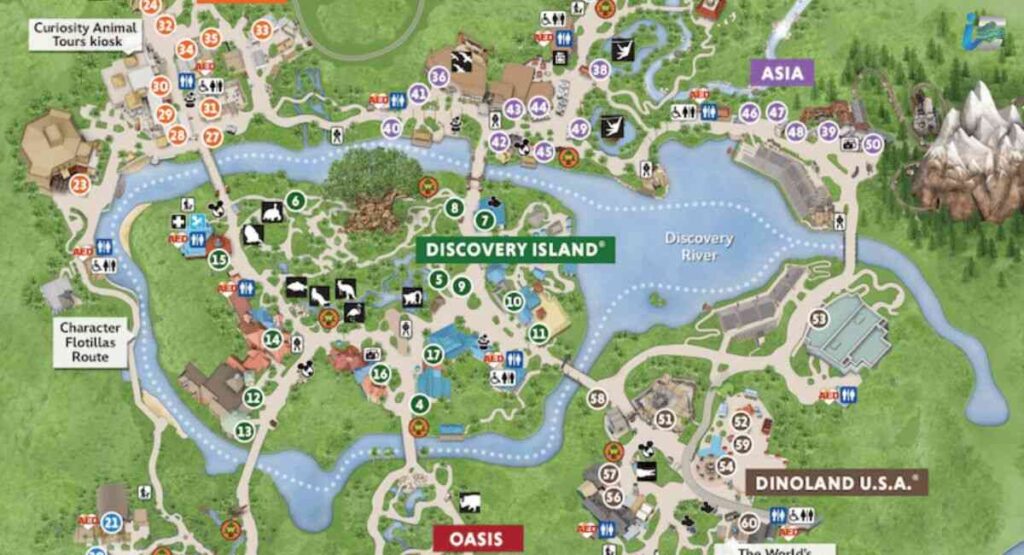
The ride sits in the Africa section, toward the rear of the park. From the main entrance, guests pass the Tree of Life, cross into Harambe Village, and follow signage directly to the safari queue. With the permanent closure of Din Oland U.S.A. in early 2026 to make way for the upcoming Tropical Americas expansion, foot traffic patterns through the park have shifted slightly, and this attraction has become an even more central anchor for the Africa land.
The queue itself is mostly outdoor and lightly themed compared to headline rides like Avatar Flight of Passage, so don’t expect elaborate pre-show entertainment. Save your attention for the safari vehicle, since that’s genuinely where this experience earns its reputation.
The Animals You Might Encounter on the Savanna
The Harambe Wildlife Reserve is home to more than 30 species across roughly 110 acres, and no two rides look alike. Common savanna wildlife includes giraffes, African elephants, hippopotamuses, white rhinos, black rhinos, lions, cheetahs, zebras, wildebeests, impalas, Thomson’s gazelles, and African painted dogs, along with less-famous residents like okapis, bongos, mandrills, and scimitar-horned oryx.
Because these are genuinely free-roaming animals, sightings vary by the hour. Disney’s habitat designers placed salt licks, water holes, and forage stations strategically close to the road, which keeps wildlife near the path without restricting their natural movement across the wider reserve.
Predators and Big Game Along the Route
Lions typically rest on an elevated kopje rock formation, giving guests a clear vantage point, while cheetahs and hyenas tend to be most visible during cooler stretches of the day. Elephants and hippos often cluster near watering holes, making mid-route sightings fairly reliable even on a slower safari expedition.
Rare and Lesser-Known Species to Watch For
Beyond the headline animals, keep an eye out for okapis near the forest edge, striped bongos in shaded brush, and colorful flamingos wading in shallow pools. These rare species rarely get mentioned in trip reports, so spotting one feels like a genuine bonus on top of the expected wildlife sightings.
How Long the Ride Lasts and What Happens Onboard
The full expedition runs roughly 18 to 22 minutes, though timing shifts if an animal blocks the road, which happens more often than guests expect. Trucks stay on a fixed path but drive over deliberately uneven terrain, so the ride feels bumpy and authentic rather than smooth, mimicking real off-road safari conditions across the savanna.
Each safari truck seats around 32 guests across rows of five, with an open-air design that keeps sightlines unobstructed on both sides. There are no seatbelts or restraints, and the vehicle’s height puts riders roughly eight feet above the ground for a genuinely elevated vantage point over the grassland.
Accessibility and Boarding Notes
Guests using an ECV must transfer to a standard wheelchair before boarding, and Disney provides dedicated transfer points near the queue entrance. Assistive listening devices are available at Guest Relations for guests who want amplified narration during the safari tour.
Best Times to Ride for Active Animal Sightings
Animals are most alert and visible during the first hour after park opening, before Florida’s heat pushes them into shaded rest areas. Early rope drop riders consistently report the liveliest wildlife encounters and shortest standby wait, often under 20 minutes compared to midday peaks near 60 to 70 minutes.
The final one to two hours before closing offer a strong second window, as temperatures drop and predators like lions and cheetahs become active again. Interestingly, overcast or lightly rainy days tend to produce more animal movement too, since cooler conditions suit most savanna species better than direct sun.
Lightning Lane Strategy for 2026
Kilimanjaro Safaris is included under Lightning Lane Multi Pass, not Single Pass, meaning it competes with other high-demand attractions for your daily selections. Because standby waits regularly climb into peak wait times of 60-plus minutes by midday, booking this pass early in your planning window is one of the highest-value moves at Animal Kingdom.
If a Multi Pass slot isn’t available for your preferred time, try riding standby during Early Theme Park Entry or shortly after rope drop, when lines are shortest. Riding twice, once standby and once through Lightning Lane later, is a smart way to catch a completely different set of animal sightings in a single day.
Experiencing the Nighttime Safari
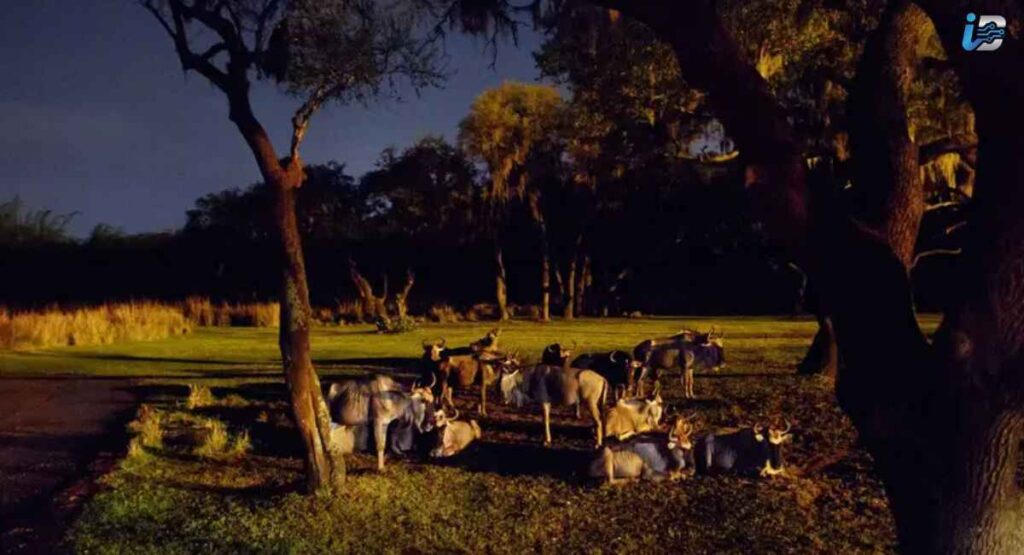
On select evenings, Animal Kingdom runs a nighttime version of the ride, using a massive wall of light displays to simulate a permanent, slowly setting sun across the savanna grasslands. Disney spent more than a year acclimating nocturnal species, including hyenas and African painted dogs, before introducing this after-dark safari experience to guests.
Nighttime patterns differ noticeably from daytime ones. Rhinos and big cats tend to be more active after sunset, while hippos and elephants often retreat and become harder to spot. Flash photography is prohibited during the evening safari to avoid startling the wildlife, so plan your camera settings accordingly.
The Conservation Work Behind the Attraction
Disney’s Animal Kingdom ties this ride directly to real wildlife conservation efforts, a detail most casual visitors never learn about. Since 1995, the Disney Conservation Fund has directed more than $120 million toward nonprofit groups protecting endangered species across dozens of countries, funding both field research and habitat protection programs tied to animals featured on this very ride.
One standout project involves elephant conservation in Kenya, where researchers discovered elephants instinctively avoid bees. That finding led local farmers to build beehive fences, protecting crops from elephant damage without harming the animals while generating honey as a secondary income source for surrounding communities.
Insider Tips for a Better Experience
Sit on the left side of the safari vehicle, since most animal habitats along the route sit on that side, and bring a camera set to a fast shutter mode since wildlife moves unpredictably. Binoculars help considerably for spotting distant animals across the wider stretches of the reserve, especially lions resting on the kopje.
Avoid midday time slots when possible, since both crowds and heat peak simultaneously, pushing animals into shaded, low-visibility areas. Riding during rope drop or the final hour before close consistently produces the most memorable animal encounters of any time slot available.
Frequently Asked Questions
Is the Kilimanjaro Safari at Animal Kingdom Worth It?
Yes, Kilimanjaro Safaris is one of the best attractions at Disney’s Animal Kingdom, offering an authentic African-style safari where you can see dozens of live animals roaming in naturalistic habitats.
How Long Does the Animal Kingdom Kilimanjaro Safari Ride Take?
The Kilimanjaro Safaris ride lasts about 18 to 22 minutes, depending on animal activity and operational conditions.
Does Kilimanjaro Safari at Animal Kingdom Still Go in the Rain?
Yes, Kilimanjaro Safaris usually stays open during light rain, but it may temporarily close if there is severe weather, lightning, or unsafe conditions.
How Long Is the Wait for the Safari Ride at Animal Kingdom?
The average wait time is 20 to 60 minutes, though it can exceed 90 minutes during holidays, weekends, and other busy park days.
How long is the Kilimanjaro Safaris ride?
The full expedition runs about 18 to 22 minutes, though duration can vary if animals pause near or block the roadway during your visit.
What animals will I likely see?
Expect giraffes, elephants, lions, hippos, rhinos, cheetahs, and zebras most often, with rarer sightings of okapis, bongos, and African painted dogs depending on the day.
Is this ride appropriate for young kids?
Yes. There are no drops, scares, or thrill elements, making it one of the more universally family-friendly attractions at Animal Kingdom.
Do I need Lightning Lane to skip the line?
It’s not required, but strongly recommended given regular peak wait times exceeding an hour; riding at rope drop is the best free alternative.
Is the nighttime safari worth doing separately?
Yes — the nighttime version reveals different wildlife behavior entirely, particularly more active rhinos and predators, making it feel like a distinct experience from the daytime ride.
What Time Does Kilimanjaro Safari Open?
Kilimanjaro Safaris typically opens at 8:00 AM, though operating hours can vary depending on the season and Disney’s park schedule. It’s best to check the official daily hours before your visit.
conclusion
Few attractions anywhere in Walt Disney World blend genuine unpredictability with real conservation impact quite like Kilimanjaro Safaris. Time your visit around rope drop or sunset, keep your camera ready, and pay attention to the habitat design work happening quietly behind every truck ride. You’ll walk away with animal encounters worth remembering long after you’ve left Harambe behind, and a better sense of why this remains one of the most consistently praised theme park experiences in Central Florida.

Welcome to Infoz Style I am Karl Braun ,an Ai – powered SEO , and Content Writer With 4 Years of experience. I help Websites Rank higher , grow traffic , and look amazing . My goal is to make SEO and Web design simple and effective for everyone.
Let`s achieve more together !