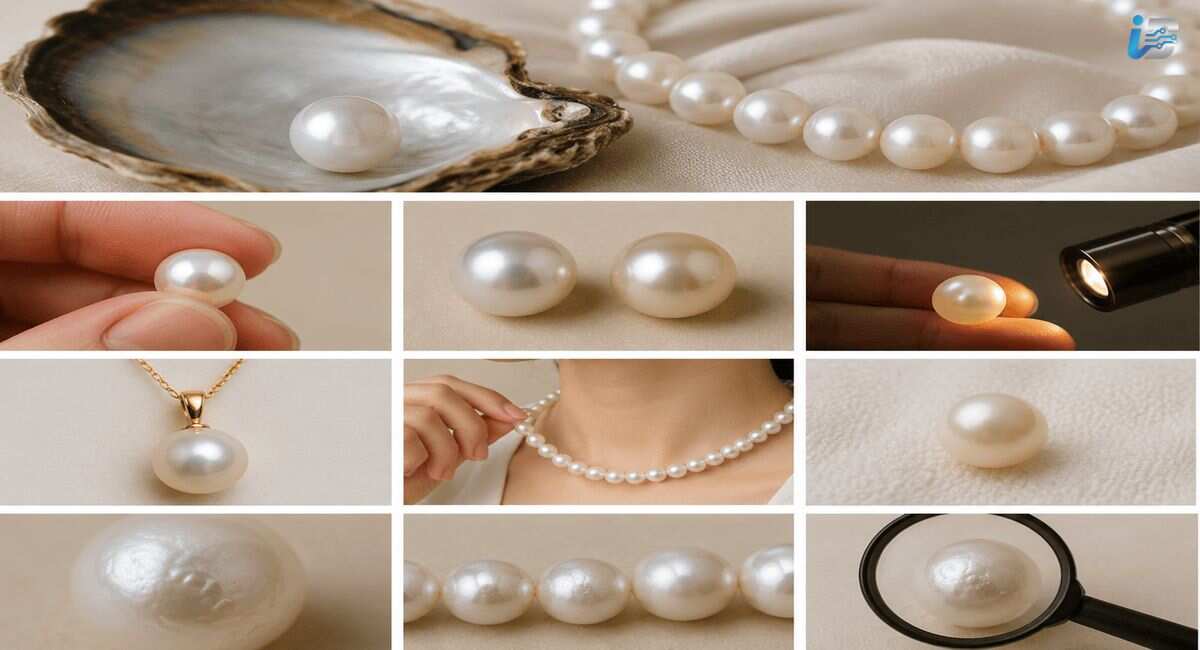
Pearls are admired for their beauty and elegance. However, many buyers struggle to identify Real vs Fake Pearls because modern imitations can look very convincing. Learning How to Tell If Pearls Are Real helps you avoid costly mistakes when buying valuable Pearl Jewelry.
Whether you own a Genuine Pearl Necklace or want to understand Pearl Authenticity, this guide explains simple and reliable methods experts use to distinguish genuine pearls from fake ones.
Understanding Real, Cultured, and Fake Pearls
Natural pearls form inside Mollusks such as oysters and mussels through Natural pearl formation. Over time, layers of Mother of pearl create thick Nacre layers, producing rare gems with exceptional beauty and durability.
Most pearls sold today are Cultured pearls, created through Cultured pearl formation. These pearls develop naturally inside mollusks and offer excellent Pearl quality and value. In contrast, Imitation pearls are made from glass, plastic, or coated beads and lack the natural structure of genuine pearls.
What Are Natural Pearls?
Natural pearls form without human intervention and develop through completely natural processes inside mollusks. Their rarity makes them highly valuable and sought after in luxury jewelry markets.
Collectors prize Natural pearls for their unique appearance and exceptional scarcity. Each pearl develops differently, creating distinctive patterns that pearl farms cannot perfectly reproduce.
What Are Cultured Pearls?
Many consumers wonder, Are cultured pearls real pearls? The answer is yes. Cultured pearls are genuine gemstones formed inside living mollusks. The only difference is that humans initiate the process.
Today, cultured pearls dominate the jewelry market because they offer excellent beauty, durability, and affordability. Most high-quality pearl jewelry sold in the United States consists of cultured pearls.
What Are Fake or Imitation Pearls?
Manufacturers create fake pearls using artificial materials. They apply a Fake pearl coating to mimic the shine of real pearls. While these products may look attractive initially, they often lose their finish over time.
A Fake pearl necklace usually lacks the depth, weight, and complexity found in authentic pearls. Under close examination, the differences become much easier to spot.
Why It’s Important to Identify Real Pearls
Knowing how to identify real pearls helps you avoid costly mistakes and protects the value of your jewelry investment.
Proper Pearl identification also makes it easier to compare pearl types, whether you’re buying Freshwater Pearl Jewelry or an Akoya Pearl Necklace.
Protecting Your Investment
A genuine pearl purchase can represent a meaningful financial investment. Understanding How to know if pearls are real reduces the risk of overpaying for low-quality imitations.
Authentic pearls often appreciate in value when they possess exceptional luster, size, and rarity. Fake pearls rarely maintain resale value.
Understanding Pearl Value and Quality
Several factors influence Pearl value, including nacre thickness, shape, luster, and origin. Recognizing these qualities helps buyers distinguish premium pearls from lower-grade alternatives.
A strong understanding of Pearl grading standards allows consumers to compare pearls accurately and confidently.
10 Simple Ways to Tell If Pearls Are Real
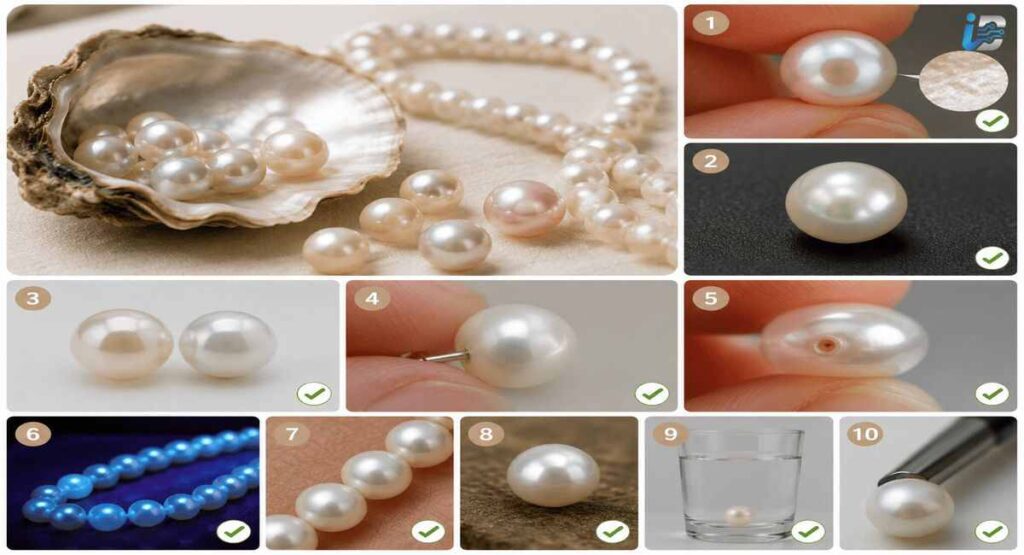
If you have ever wondered how to tell if pearls are real at home, several practical tests can provide valuable clues. While no single method guarantees certainty, combining multiple techniques significantly improves accuracy.
The following methods represent the best ways to tell if pearls are genuine. Professional jewelers often use many of these same observations before recommending advanced laboratory testing.
The Tooth Test
The famous Tooth test for pearls remains one of the most popular authenticity checks. Gently rub a pearl against the edge of your front teeth. Authentic pearls typically feel slightly rough because microscopic crystal structures create a textured surface.
This simple test reveals important clues about Real pearl texture. If the pearl feels perfectly smooth and slippery, it may be artificial. Many people ask, Do real pearls feel gritty? In most cases, yes. Genuine pearls produce a faint sandy sensation.
Examine Surface Texture Closely
One of the strongest Signs of real pearls appears on the surface. Authentic pearls rarely look completely flawless. Tiny ridges, subtle marks, and slight variations commonly appear even in premium pearls.
These natural characteristics create what experts call Pearl surface imperfections. Perfectly identical pearls often indicate mass-produced imitations rather than genuine gems.
Check Pearl Luster and Reflection
Nothing reveals authenticity faster than Pearl luster. Real pearls display a rich glow that seems to come from within the gem itself. This effect occurs because light passes through multiple nacre layers.
Strong Pearl shine and luster creates sharp reflections and noticeable depth. Imitation pearls often appear glossy but lack internal brilliance.
Inspect the Drill Holes
A careful Drill hole inspection provides valuable information. Examine the hole using a magnifying glass. Genuine pearls generally show smooth nacre around the opening.
Artificial pearls frequently reveal peeling coatings, exposed beads, or uneven paint near the hole. These flaws often expose the underlying material.
Compare Weight and Density
Authentic pearls contain dense mineral layers. Therefore, they usually feel heavier than similarly sized plastic imitations. Conducting a simple Pearl weight test can help identify suspicious pieces.
High-quality pearls possess measurable Pearl density due to their mineral composition. Lightweight beads often indicate synthetic construction.
Feel the Temperature
Another useful method involves the Pearl temperature test. Genuine pearls feel cool when first touched and gradually warm against the skin.
Many people ask, Are real pearls cold to the touch? In most cases, yes. This cool sensation results from the pearl’s mineral content.
Look for Shape Imperfections
Natural growth creates slight irregularities in many pearls. Even beautiful Round pearls may display subtle differences when examined closely.
Unique Pearl shape characteristics often distinguish authentic pearls from machine-made imitations. Highly irregular Baroque pearls provide excellent examples of natural formation.
Use a Magnifying Glass
Magnification reveals details invisible to the naked eye. Small growth rings, layered structures, and natural blemishes become easier to identify.
These observations help buyers understand Authentic pearl characteristics and detect artificial coatings that may indicate imitation products.
Try the Rubbing Test
When two authentic pearls gently rub together, slight friction develops because of their textured nacre surfaces. This method often complements the tooth test.
The rubbing test can support other ways to tell if a pearl is genuine, although it should never serve as the sole method of authentication.
Perform a UV Light Test
The UV light pearl test offers another helpful clue. Under ultraviolet light, many authentic pearls display subtle fluorescence due to organic compounds within nacre.
This Fluorescence test for pearls can reveal differences between natural pearls and synthetic materials. However, results vary depending on pearl type and treatments.
Quick Comparison Table
| Feature | Genuine Pearls | Fake Pearls |
| Surface | Slightly textured | Very smooth |
| Weight | Heavier | Lightweight |
| Temperature | Cool initially | Warm quickly |
| Luster | Deep and reflective | Surface shine only |
| Drill Hole | Clean nacre edges | Peeling coating |
| UV Reaction | Soft fluorescence | Often no reaction |
How Real Pearls Differ from Fake Pearls
Understanding the Difference between real and fake pearls requires examining several characteristics together. Authentic pearls contain thousands of nacre layers created through biological growth. This structure produces depth, durability, and brilliance that artificial materials struggle to replicate.
When comparing Real Pearls vs Fake Pearls, jewelers focus on texture, luster, weight, and internal structure. These differences become more noticeable as you gain experience handling pearl jewelry.
| Characteristic | Real Pearls | Fake Pearls |
| Composition | Natural nacre | Plastic or glass |
| Durability | Long-lasting | Coating may wear |
| Shine | Deep glow | Surface gloss |
| Value | High resale value | Minimal resale value |
| Structure | Layered nacre | Artificial core |
| Certification | Often available | Rarely certified |
One of the easiest methods for a Real pearl vs fake pearl comparison involves observing reflections. Authentic pearls create crisp reflections with visible depth. Artificial versions often appear flat and uniform. Understanding these visual clues improves How to check pearl authenticity and helps buyers avoid costly mistakes.
As pearl technology advances, some imitations continue to improve. Nevertheless, genuine pearls still possess distinctive traits that remain difficult to duplicate completely. Learning these differences will make future pearl purchases far more confident and rewarding.
Signs of High-Quality Genuine Pearls
Beyond How to Tell If Pearls Are Real, understanding quality is equally important. Experts use several Pearl quality indicators, including luster, shape, size, color, and nacre thickness.
High-quality pearls have strong reflections, fewer blemishes, and excellent symmetry. These features help distinguish ordinary pearls from premium gems.
Strong and Sharp Luster
The first feature jewelers notice is Pearl shine and luster. High-quality pearls reflect light clearly and produce a bright mirror-like effect. This glow comes from healthy nacre development.
Superior Pearl luster creates depth and brilliance. When you look closely, reflections should appear sharp rather than cloudy. Premium pearls often seem to glow from within.
Thick Nacre Layers
One of the most important Genuine pearl features is Pearl nacre thickness. Thick nacre improves durability and enhances beauty over time.
Pearls with substantial Nacre layers resist wear better than pearls with thin coatings. Thick nacre also produces richer reflections and stronger value.
Surface Quality and Shape
Minor imperfections are normal in authentic pearls. However, fewer blemishes generally increase value. Experienced jewelers examine Pearl surface texture carefully when evaluating quality.
Symmetrical Round pearls often command higher prices than irregular shapes. Nevertheless, unique Baroque pearls can also achieve impressive value due to their artistic appearance.
Color and Overtones
Beautiful pearls display more than a single color. Subtle Pearl overtone effects create hints of rose, silver, green, or gold across the surface.
These delicate Pearl color overtones contribute significantly to beauty and rarity. Premium pearls often show multiple layers of color when viewed under natural light.
Common Types of Real Pearls
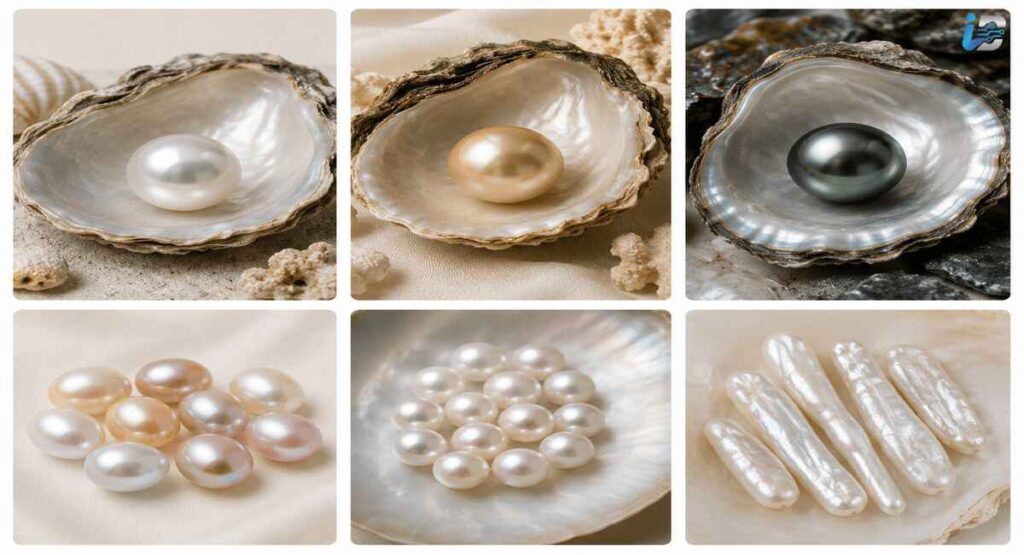
The pearl market contains several major categories. Each type offers distinct characteristics, pricing, and visual appeal. Understanding these differences improves your ability to choose pearls that match your preferences and budget.
When shopping for Luxury Pearl Jewelry, buyers often compare freshwater and saltwater varieties. Each pearl type possesses unique qualities that influence value and desirability.
Freshwater Pearls
Many shoppers ask, Are freshwater pearls real? Absolutely. Freshwater pearls develop inside Mussel pearls raised in freshwater environments.
These pearls are widely available and often more affordable. Modern freshwater pearls display excellent luster and come in many shapes and colors. They remain a popular choice for Freshwater Pearl Jewelry.
Akoya Pearls
Many consumers wonder, Are Akoya pearls real? Yes. Akoya pearls are genuine Saltwater pearls famous for their exceptional shine and nearly perfect round shape.
A premium Akoya Pearl Necklace often represents the classic pearl look seen in luxury fashion and formal jewelry collections.
Tahitian Pearls
Among the most exotic pearls available, Tahitian pearls are famous for their naturally dark appearance. These stunning Black pearls come from black-lipped oysters in French Polynesia.
Collectors value Tahitian Black Pearls because of their dramatic colors and remarkable overtones. Shades often include green, silver, peacock, and charcoal tones.
South Sea Pearls
Many experts consider South Sea pearls among the finest pearls in the world. They are known for large sizes, thick nacre, and elegant satin-like luster.
Luxury buyers frequently choose South Sea Pearl Earrings because of their rarity and impressive appearance. These pearls often command premium market prices.
Pearl Type Comparison Table
| Pearl Type | Water Type | Typical Size | Main Feature |
| Freshwater Pearls | Freshwater | 4–12 mm | Affordable variety |
| Akoya Pearls | Saltwater | 5–9 mm | Exceptional luster |
| Tahitian Pearls | Saltwater | 8–14 mm | Natural dark colors |
| South Sea Pearls | Saltwater | 10–16 mm | Large size and rarity |
Mistakes People Make When Identifying Pearls
Many buyers make incorrect assumptions when evaluating pearls. These mistakes often lead to poor purchasing decisions and confusion regarding authenticity.
Learning How to identify fake pearls requires understanding common misconceptions. A pearl may look perfect yet still be artificial. Conversely, a slightly imperfect pearl may be completely genuine.
Assuming Perfect Pearls Are Real
One of the most common mistakes involves believing flawless pearls must be authentic. In reality, nature rarely creates perfection.
Small blemishes often represent genuine growth patterns. These Signs of real pearls frequently help experts verify authenticity.
Relying Only on One Test
Some buyers depend entirely on the Tooth test for pearls. While useful, no single method provides complete certainty.
Successful Pearl identification combines multiple observations. Surface texture, luster, weight, temperature, and drill holes all contribute valuable evidence.
Judging Authenticity by Price Alone
Expensive jewelry is not automatically genuine. Some imitation products carry surprisingly high price tags.
Likewise, affordable cultured pearls can still be authentic. Understanding how much are real pearls worth requires examining quality factors rather than price alone.
Can Fake Pearls Pass Home Tests?
As manufacturing technology improves, some imitation pearls successfully imitate authentic gems. This reality explains why relying on one test alone can sometimes produce misleading results.
Consumers often ask, Can fake pearls pass the tooth test? In certain cases, advanced coatings may partially mimic natural texture. However, imitations rarely duplicate every characteristic of genuine pearls.
Limitations of DIY Pearl Testing
Home testing provides useful clues but cannot replace expert analysis. A pearl may pass one authenticity check while failing another.
Understanding How to spot imitation pearls requires evaluating multiple characteristics together rather than relying on a single observation.
Best Home Verification Strategy
The most effective approach combines texture, luster, weight, shape, and temperature evaluation. Together, these methods significantly improve accuracy.
When asking How can you tell if a pearl is real, the answer usually involves examining several traits rather than performing only one test.
How Jewelers Verify Authentic Pearls
Professional jewelers use advanced methods unavailable to most consumers. These techniques provide far greater accuracy than home testing.
Experts perform Professional pearl authentication when authenticity affects insurance value, resale potential, or significant purchases.
Microscopic Examination
Specialized microscopes reveal surface details invisible to the naked eye. Jewelers can detect growth structures, nacre layers, and artificial coatings.
This process helps identify Authentic pearl characteristics while exposing signs of manufacturing.
X-Ray Analysis
Among the most trusted methods is Laboratory pearl testing using X-ray technology. Internal structures become visible without damaging the pearl.
X-rays clearly distinguish natural, cultured, and imitation pearls. This technique remains one of the most reliable forms of how jewelers test pearls.
Certification and Appraisal
Premium pearls often include Pearl certification from recognized gemological laboratories. Certification documents verify origin, type, and quality.
A professional Pearl appraisal also provides estimated market value. This information becomes especially important for insurance purposes and estate planning.
FaQs
How can you tell if your pearls are real?
Real pearls feel slightly gritty, stay cool to the touch, and have natural imperfections.
How much is a real pearl worth today?
A real pearl can be worth anywhere from $20 to over $100,000 depending on its type and quality.
How to check real pearls at home?
Use the tooth test, check the luster, inspect drill holes, and feel the pearl’s weight and temperature.
Do real pearls sink or float?
Most real pearls sink in water because they are denser than plastic imitations.
What do cheap pearls look like?
Cheap pearls often appear overly shiny, perfectly uniform, and lack depth in their luster.
Why are pearls not allowed in a wedding?
Some cultures believe pearls symbolize tears and may bring sadness to a marriage, though this is only a tradition.
Conclusion
Understanding How to Tell If Pearls Are Real helps you make smarter buying decisions and improves your knowledge of Pearl Authenticity. Factors like texture, luster, weight, shape, and nacre quality can reveal whether a pearl is genuine.
Whether you’re buying Natural Pearl Jewelry, a Cultured Pearl Necklace, Genuine Pearl Earrings, or Luxury Pearl Jewelry, knowing the difference between Real vs Fake Pearls makes it easier to choose authentic pearls with confidence.

Welcome to Infoz Style I am Karl Braun ,an Ai – powered SEO , and Content Writer With 4 Years of experience. I help Websites Rank higher , grow traffic , and look amazing . My goal is to make SEO and Web design simple and effective for everyone.
Let`s achieve more together !