
Preparing your house for sale is one of the smartest steps you can take to attract serious buyers and achieve the best possible price. A well-prepared home creates a strong first impression, builds buyer trust, and can even reduce the time your property spends on the market. Whether you plan on listing your home soon or are just starting the home selling process, taking the right approach can make a significant difference.
From creating a home preparation checklist to declutter before selling and improving your home’s appearance, every detail matters. This guide will show you how to prepare your house for sale and position it as a desirable property that stands out from the competition.
Start With a Pre-Sale Home Assessment
Before spending money on upgrades, you need a clear understanding of your property’s condition. A detailed pre-sale home inspection helps identify hidden structural issues, electrical issues, plumbing problems, and potential safety concerns. Many experienced sellers schedule a pre-listing home inspection because it allows them to address problems before buyers discover them. This approach strengthens buyer confidence and creates a smoother real estate transaction.
Understanding your home’s strengths and weaknesses also improves competitive pricing. A professional home inspection before selling can reveal concerns related to roof condition, HVAC system performance, water heater lifespan, and even minor foundation cracks. Buyers appreciate transparency. When sellers provide an accurate inspection report, negotiations often become easier and less stressful.
Why a Pre-Listing Inspection Matters
Many homeowners ask, “Should I get a pre-listing home inspection?” The answer is usually yes. A professional inspection helps uncover deferred maintenance before it becomes a negotiation obstacle. It also gives sellers time to gather replacement cost estimates and determine which repairs deserve attention before listing your home.
Evaluate Major Systems and Potential Issues
Every buyer wants reassurance that expensive systems work properly. Pay close attention to your roof, heating and cooling equipment, plumbing, and electrical systems. Reviewing these areas early reduces unexpected repair costs and helps create a stronger home seller position during negotiations.
Determine Your Home’s Current Market Value
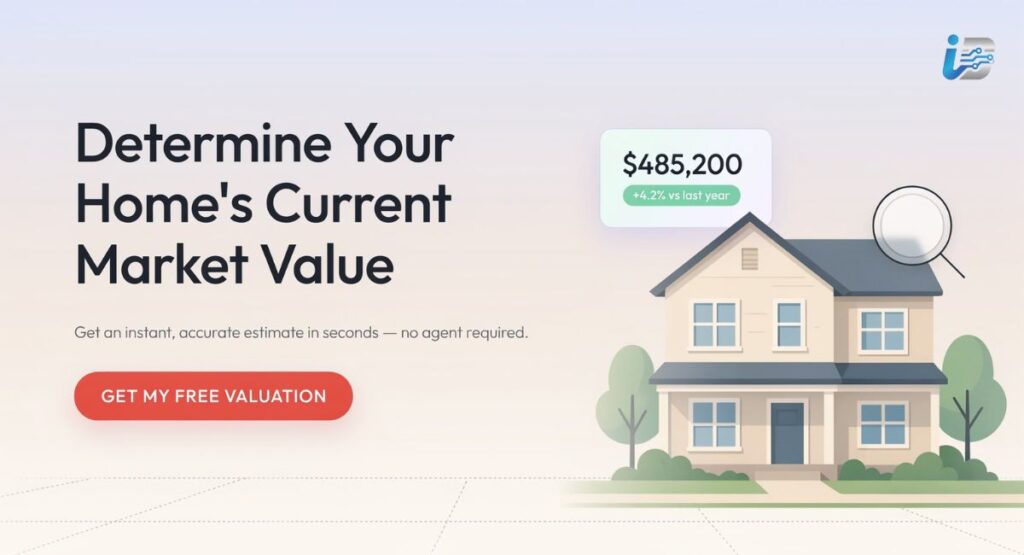
Accurate pricing begins with a realistic home value estimate. Compare recent sales in your area and consult a qualified real estate agent. A reliable home valuation helps establish realistic expectations and supports a profitable property sale strategy.
| Assessment Area | Why It Matters |
| Roof | Influences buyer trust and future costs |
| HVAC System | Major expense buyers evaluate |
| Foundation | Impacts structural integrity |
| Plumbing | Prevents inspection surprises |
| Electrical | Improves safety and compliance |
| Home Value Estimate | Supports accurate pricing |
Create a House for Sale Checklist
Organization is one of the most overlooked parts of how to prepare your house for sale. A detailed house selling checklist helps you manage tasks without feeling overwhelmed. Instead of rushing at the last minute, create a structured home selling timeline several weeks before listing. This method ensures each task receives proper attention and prevents costly mistakes.
An effective preparing a house for sale checklist should cover inspections, repairs, cleaning, staging, and documentation. Think of it as a roadmap. Every completed task moves your property closer to becoming a desirable market-ready home. Following a structured home selling checklist also improves efficiency and helps you stay focused on activities that deliver the highest return on investment (ROI).
8 Weeks Before Listing
Begin researching your local market. Schedule inspections, request a home value estimate, and identify necessary improvements. This is also the ideal time to start gathering estimates for major projects and reviewing your overall home selling costs.
4 Weeks Before Listing
Focus on repairs and organization. Begin declutter before selling efforts and address cosmetic issues. This stage allows enough time for contractors to complete projects without delaying your home listing.
2 Weeks Before Listing
Complete staging preparations and finalize cleaning projects. Many sellers start exploring home staging ideas and preparing rooms for professional photography for listings during this period.
Final Week and Listing Day Tasks
Use a detailed checklist for preparing a house for sale to verify that every room looks its best. Small finishing touches often create a stronger first impression for buyers and improve showing results.
Declutter and Organize Every Room
Nothing makes a home feel smaller than clutter. Effective declutter before selling efforts create the appearance of larger living areas and improve overall flow. Buyers want spacious rooms, not overflowing shelves and crowded furniture. A clean layout allows visitors to focus on the property rather than personal belongings.
Creating a clutter-free home also supports better buyer visualization. When rooms feel open, buyers can imagine their own furniture and lifestyle in the space. Many successful sellers invest in storage unit rental services to temporarily remove excess items. This simple step often has a surprisingly positive impact on buyer expectations.
Room-by-Room Decluttering Tips
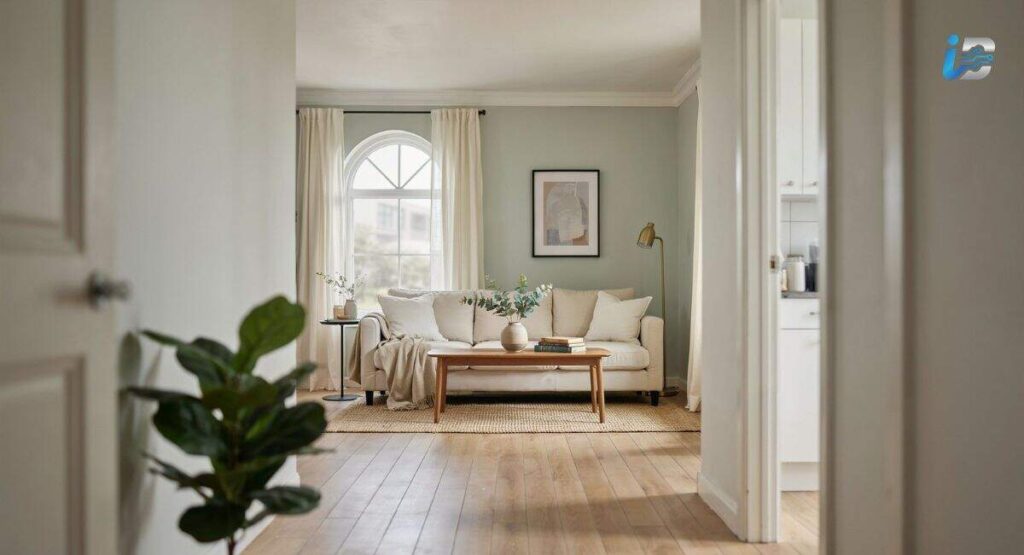
Focus on removing unnecessary furniture and excess decorations. Keep clean countertops, create organized storage, and maintain empty closets whenever possible. Buyers often inspect storage areas carefully because they want to evaluate available space.
What to Keep, Store, Donate, or Discard
A simple sorting system works best. Keep essential items, store seasonal belongings, donate useful products, and discard broken objects. This strategy simplifies moving while making your property more appealing.
Maximizing Storage Space for Buyers
Storage sells homes. Closets, garages, and pantries should appear spacious and organized. Half-full shelves often look larger and more functional than crowded spaces.
| Decluttering Area | Recommended Action |
| Closets | Remove 50% of contents |
| Garage | Organize tools and storage bins |
| Kitchen | Limit visible appliances |
| Bedrooms | Remove excess furniture |
| Living Areas | Keep decor minimal |
Deep Clean Your Home From Top to Bottom
A spotless property signals pride of ownership. Buyers often associate cleanliness with proper maintenance. When you deep clean your home, you improve both appearance and trust. Dust, stains, and odors may seem minor, but they can negatively influence buyer perception during showings.
Professional cleaning can also enhance listing photos. Bright windows, polished floors, and fresh surfaces help rooms appear larger and more inviting. Many homeowners hire professional cleaning services to ensure every detail receives attention. A sparkling property instantly feels more valuable and creates a stronger emotional connection.
Areas Buyers Notice First
Buyers quickly notice floors, kitchens, bathrooms, and windows. Prioritize window cleaning, carpet cleaning, and complete odor removal. These improvements often deliver immediate visual impact.
DIY vs Professional Cleaning
Some sellers handle cleaning themselves. Others hire professionals. Both approaches can work well. However, experienced cleaners often achieve superior results in less time.
Eliminating Odors and Hidden Dirt
Pet smells, cooking odors, and mildew can discourage buyers. Replace filters, clean carpets thoroughly, and improve ventilation to create a fresher environment.
Depersonalize Your Living Space
One of the most important steps in how to prepare your house for sale is learning how to depersonalize your home. Buyers need to imagine their future in the property. Family photos, personal collections, and highly customized decorations can make that difficult. The goal is not to remove warmth. Instead, you want to create a welcoming environment with broad appeal.
Successful sellers often replace personal displays with tasteful artwork and neutral decor. A balanced design helps buyers focus on room size, layout, and functionality. This approach improves buyer visualization and increases emotional connection. Many buyers decide whether they like a property within minutes of entering the front door.
Remove Personal Items and Collections
Start by removing photographs, awards, hobby collections, and personalized decorations. These items distract buyers from the home’s features. Remember to remove personal items throughout the entire property.
Create a Neutral and Inviting Environment
Simple designs appeal to a wider audience. Soft colors, clean surfaces, and comfortable furnishings create a pleasant atmosphere without overwhelming visitors.
Preparing Bedrooms, Offices, and Family Areas
Bedrooms should feel peaceful and spacious. Home offices should appear productive and organized. Family rooms should emphasize comfort and room functionality while maintaining a clean presentation.
“Buyers don’t purchase your memories. They purchase the lifestyle they imagine living in the home.”
Make Essential Repairs and Cost-Effective Upgrades
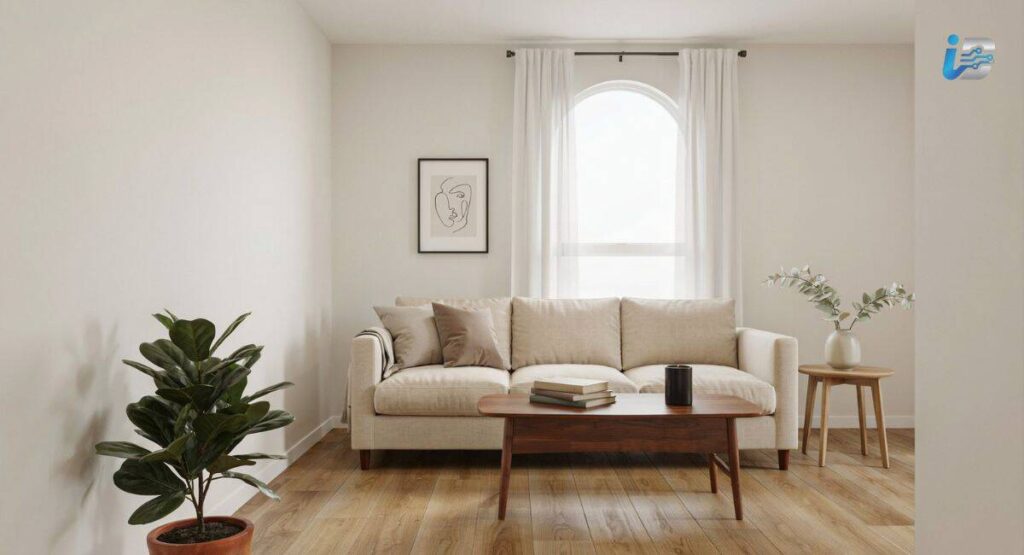
Smart repairs can dramatically improve buyer interest. Before investing in major renovations, focus on minor repairs before selling that deliver visible value. Buyers often notice dripping faucets, chipped paint, damaged trim, and outdated fixtures. These small issues may seem harmless. However, they can lower buyer confidence and create concerns about hidden maintenance problems.
Not every improvement is worth the expense. Strategic home improvements before listing should focus on functionality and appearance. Fresh paint, updated lighting, and modern hardware can transform a room without creating excessive repair costs. The goal is to present a well-maintained property while maximizing your return on investment (ROI).
High-ROI Repairs Before Selling
Address visible wear and tear first. Repair damaged walls, replace broken fixtures, and resolve basic electrical issues or plumbing problems. These updates reassure buyers that the property has been properly maintained.
Affordable Kitchen and Bathroom Updates
Kitchens and bathrooms influence many buying decisions. Updating cabinet handles, replacing faucets, and improving lighting can refresh these spaces without requiring expensive remodeling projects.
Improvements to Avoid Before Listing
Avoid luxury upgrades that may not increase your final sale price. Large renovations often fail to recover their full cost during a property sale. Focus on broad buyer appeal instead.
| Upgrade | Typical Benefit |
| Fresh Paint | Creates a clean appearance |
| Updated Hardware | Modernizes rooms |
| New Lighting | Improves brightness |
| Faucet Replacement | Enhances functionality |
| Minor Repairs | Increases buyer trust |
Boost Your Home’s Curb Appeal
First impressions happen fast. Buyers often form opinions before entering the home. Effective curb appeal improvements can increase interest and improve showing activity. A welcoming exterior creates excitement and strengthens the emotional connection buyers feel when visiting your property.
When you boost curb appeal, you improve your home’s overall exterior appearance and marketability. Simple projects such as lawn maintenance, driveway cleaning, and strategic landscaping improvements can make a remarkable difference. These upgrades support better listing photos and contribute to stronger buyer expectations.
Landscaping and Lawn Care Tips
Healthy grass, trimmed shrubs, and colorful seasonal plants create a polished look. Simple mulch installation can instantly refresh flower beds and improve visual appeal.
Improve Your Front Entryway
A front door makeover creates a welcoming focal point. Consider fresh paint, updated house numbers, and attractive porch lighting. These details enhance entryway enhancement and strengthen curb appeal.
Low-Cost Exterior Upgrades That Work
Many affordable projects deliver strong results. Power washing, exterior touch-up painting, and improved lighting can make a property appear newer and better maintained.
| Exterior Feature | Recommended Upgrade |
| Front Door | Fresh paint and hardware |
| Walkways | Cleaning and repairs |
| Landscaping | Mulch and trimming |
| Lighting | Modern fixtures |
| Driveway | Pressure washing |
Stage Your Home to Attract More Buyers
A properly staged home helps buyers visualize living in the property. Effective home staging tips focus on showcasing space, comfort, and functionality. Whether you choose DIY home staging or professional home staging, the goal remains the same. You want buyers to connect emotionally with the home.
Research consistently shows that staging can reduce time on market and improve the sale price. Strategic furniture arrangement, balanced natural light, and carefully selected decor create a welcoming atmosphere. When you stage your home to sell, every room should serve a clear purpose while maintaining broad appeal.
Living Room and Kitchen Staging Tips

Keep furniture proportional to the room size. Highlight gathering areas and maintain uncluttered surfaces. Add fresh flowers and subtle decorative elements to create warmth.
Bedroom and Bathroom Staging Ideas
Use clean bedding, soft textures, and accent pillows. Bathrooms should feel bright, fresh, and hotel-like. These simple home staging ideas support stronger buyer visualization.
DIY vs Professional Home Staging
Both approaches can work effectively. Occupied home staging uses existing furnishings while vacant home staging often requires rented furniture. The right choice depends on budget and property condition.
| Staging Element | Purpose |
| Neutral Decor | Broad buyer appeal |
| Natural Light | Brighter spaces |
| Accent Pillows | Visual warmth |
| Fresh Flowers | Inviting atmosphere |
| Furniture Arrangement | Better flow |
Best Neutral Paint Colors for Selling a Home
Many sellers ask about the best paint colors for selling a home. Soft grays, warm whites, and light beige tones remain popular because they complement most design styles. These neutral paint colors create a model home appearance and support stronger buyer engagement.
Prepare Important Documents for Buyers
Organized paperwork can accelerate the home selling process. Buyers often request information about property history, maintenance, and ownership. Having documents ready demonstrates professionalism and strengthens buyer confidence. It also reduces delays during the real estate transaction.
A complete buyer document package should include records that verify the home’s condition and ownership history. Providing accurate information helps answer questions quickly and supports smoother negotiations. Well-prepared documentation also improves transparency throughout the transaction.
Property Records and Maintenance History
Maintain detailed maintenance records for repairs, upgrades, and servicing. Buyers appreciate evidence that the property has received regular care and attention.
Warranties, Manuals, and Utility Bills
Gather appliance warranties, owner’s manuals, and recent utility bills. These documents provide valuable information and demonstrate responsible ownership.
Disclosure Forms and HOA Documents
Prepare disclosure documents, HOA documents, property tax records, permits and approvals, survey report, insurance claim history, and any available floor plan information. These records help satisfy seller disclosure requirements and simplify due diligence.
| Document Type | Why Buyers Need It |
| Utility Bills | Estimate monthly costs |
| HOA Documents | Understand community rules |
| Property Tax Records | Verify tax obligations |
| Appliance Warranties | Review coverage |
| Maintenance Records | Confirm upkeep history |
Get Ready for Showings, Open Houses, and Listing Day
After weeks of preparation, your focus shifts to preparing for showings and attracting serious buyers. Successful open house preparation requires attention to atmosphere, cleanliness, and presentation. Every showing represents an opportunity to create a lasting impression and move closer to a successful sale.
A detailed showing day checklist helps ensure consistency. Buyers should experience a bright, comfortable, and inviting environment during every visit. Small details such as lighting, scent, and cleanliness can influence buyer perception more than many sellers realize.
Professional Photography Preparation
Strong professional photography for listings is essential. Most buyers begin their search online. High-quality images increase visibility and support effective real estate marketing.
Showing Day Checklist
Before each showing, verify that surfaces are clean, lights are on, and personal items remain stored away. A clean move-in ready home often receives stronger buyer interest.
Common Mistakes to Avoid
Avoid overcrowded rooms, strong odors, and excessive personalization. These issues can distract buyers and reduce engagement during tours.
Should You Stay Home During Showings?
If possible, leave the property during visits. Buyers often feel more comfortable exploring and discussing the home openly when the owner is not present.
Conclusion
Understanding how to prepare your house for sale requires more than simple cleaning. Successful sellers combine inspections, repairs, staging, organization, and marketing into a complete strategy. Following a detailed home preparation checklist helps create a stronger first impression and improves your chances of attracting qualified buyers.
Whether your goal is selling a house fast, maximizing profit, or exploring different selling options, preparation remains the key to success. By following this complete guide, you can reduce stress, improve buyer confidence, support competitive pricing, and achieve a smoother property sale from listing to closing.

Welcome to Infoz Style I am Karl Braun ,an Ai – powered SEO , and Content Writer With 4 Years of experience. I help Websites Rank higher , grow traffic , and look amazing . My goal is to make SEO and Web design simple and effective for everyone.
Let`s achieve more together !