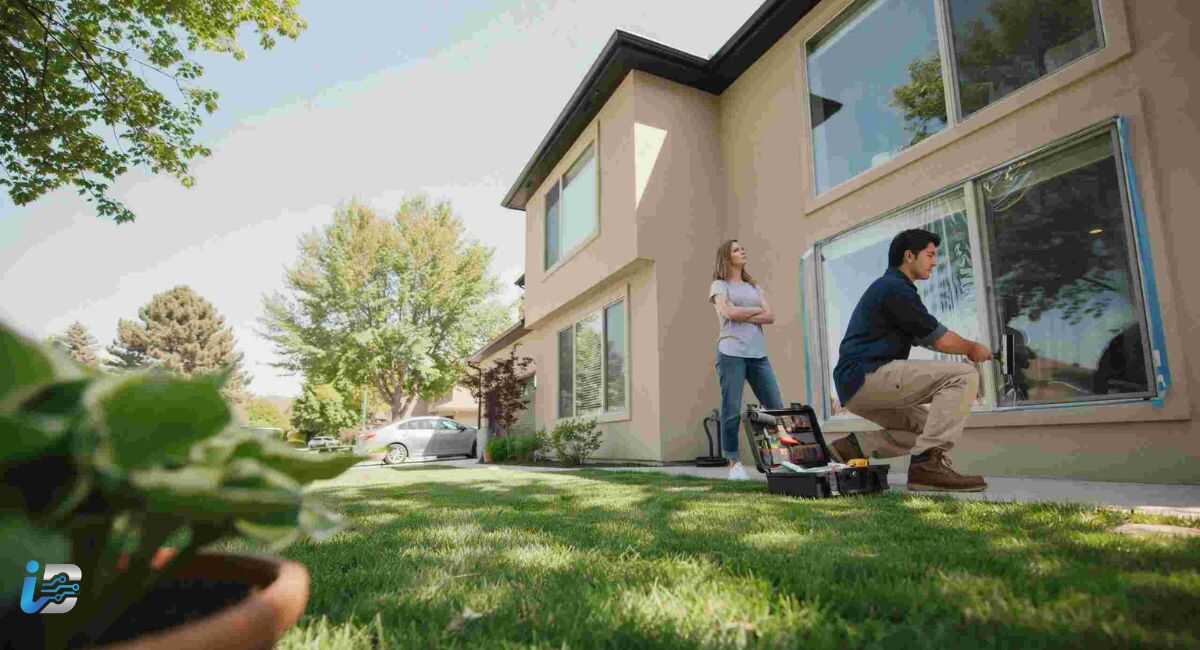
If your home feels like a greenhouse every summer, you are not alone. Many American homeowners struggle with rising cooling costs, harsh sunlight, and fading furniture. That is why home window tinting has become one of the most popular energy-saving home upgrades in recent years.
Modern window films do far more than darken glass. They help reduce heat inside home, block harmful UV rays, and increase home privacy while preserving your view. Whether your goal is home energy efficiency, better comfort, or lower utility expenses, understanding how residential window films work can help you make a smarter investment.
What Is Home Window Tinting and How Does It Work?
Home window tinting involves applying a thin layer of specially engineered film directly onto residential glass surfaces. These films contain advanced materials that manage sunlight before it enters your home. Most products are made from durable polyester film layers designed to improve window insulation, boost energy efficiency, and help maintain natural light without sacrificing comfort.
Unlike ordinary curtains or blinds, residential glass tinting works at the glass level. The film filters UV rays, visible light, and infrared heat before they enter your living space. This process helps reduce solar heat gain, improves indoor temperature stability, and supports your home’s HVAC system by reducing the workload placed on heating and cooling equipment.
Understanding Residential Window Film Technology
Modern window films use sophisticated technology to reflect, absorb, or disperse solar energy. Some films contain ceramic film particles while others use metallic film layers. Advanced options often deliver superior performance without creating a mirror-like appearance.
How Window Tint Blocks Heat, UV Rays, and Glare
Most premium films target three key issues. They block damaging UV radiation, reduce solar heat, and provide significant glare reduction. As a result, homeowners can reduce screen glare, improve indoor comfort, and enjoy brighter spaces without excessive sunlight.
Components Used in Modern Home Window Films
Manufacturers typically combine polyester substrates, adhesives, UV inhibitors, scratch-resistant coatings, and specialized heat-control layers. Together these elements help improve window performance and extend film durability.
How Window Film Differs From Tinted Glass
Tinted glass receives color during manufacturing. Window film, however, can be installed on existing windows. This flexibility allows homeowners to upgrade comfort and efficiency without replacing expensive glass systems.
Benefits of Home Window Tinting
One of the biggest benefits of window tinting for homes is its ability to create a more comfortable indoor environment throughout the year. Quality solar window film can keep house cooler in summer while reducing heat loss during colder months. This temperature control often translates into noticeable cooling cost reduction and improved household comfort.
Beyond energy savings, residential films offer powerful protection against sun-related damage. Many premium products provide exceptional UV protection for windows, helping homeowners protect furniture from fading, preserve flooring, and extend the lifespan of interior décor. Families also benefit because these films help prevent sun damage caused by prolonged indoor exposure to ultraviolet radiation.
Lower Energy Bills and Improved Energy Efficiency
According to industry studies, properly installed heat reduction window film can significantly decrease solar heat entering a home. This reduction helps homeowners lower energy bills, reduce cooling demand, and achieve meaningful residential energy savings throughout the year.
UV Protection for Furniture, Flooring, and Interiors
Sunlight can gradually fade hardwood floors, carpets, artwork, and upholstery. High-quality window films can block harmful UV rays while preserving the appearance and value of expensive household furnishings.
Enhanced Indoor Comfort Throughout the Year
Temperature fluctuations often create uncomfortable hot spots near windows. Window films help balance room temperatures and improve living room comfort, making daily activities more enjoyable.
Reduced Glare for TVs, Computers, and Mobile Devices
Strong sunlight often creates viewing challenges. Effective sun control film solutions minimize glare without darkening rooms excessively, helping families enjoy screens more comfortably.
Increased Daytime Privacy Without Sacrificing Natural Light
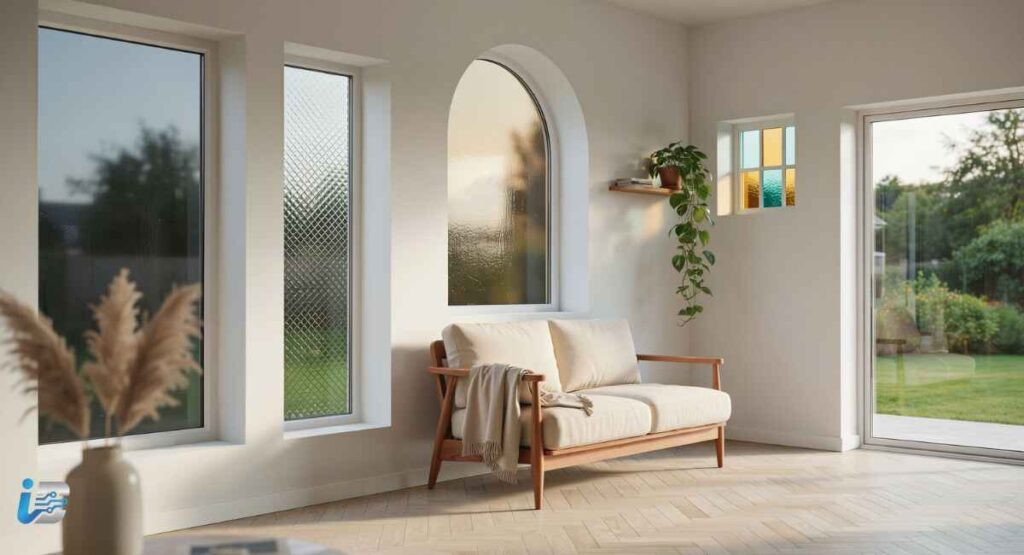
Many homeowners choose privacy window film because it allows daylight to enter while reducing outside visibility. This balance helps increase home privacy without making spaces feel enclosed.
Added Security and Glass Shatter Resistance
Specialized security window film and glass protection film products help strengthen window glass during accidental impacts or attempted break-ins. While not bulletproof, they can help enhance home security by making forced entry more difficult.
Environmental Benefits and Reduced Carbon Footprint
Because window films improve energy performance, homeowners often use less electricity for cooling. Reduced energy consumption supports sustainability goals while lowering monthly operating costs.
| Benefit | Impact |
| Energy Savings | Lower cooling expenses |
| UV Protection | Reduced fading of interiors |
| Privacy | Better daytime privacy |
| Security | Stronger glass performance |
| Comfort | More consistent temperatures |
| Sustainability | Lower energy consumption |
Potential Drawbacks of Residential Window Tinting
Although home window tinting offers impressive advantages, it is important to understand potential limitations before investing. Every property has unique conditions, and not every film performs equally well. Choosing the wrong product may reduce expected benefits or create aesthetic concerns.
Installation quality also plays a major role in long-term performance. Inferior products may develop bubbles, discoloration, or peeling over time. For this reason, homeowners should carefully compare products and installers before making a final decision.
Upfront Installation Costs
Many homeowners first ask, “How much does home window tinting cost?” Costs vary widely depending on film quality, glass size, labor rates, and property location. Premium options such as ceramic window tint generally cost more but often provide better performance.
Reduced Natural Light in Certain Rooms
Darker films may slightly reduce incoming daylight. While most modern products are designed to maintain natural light, some homeowners prefer lighter options for living spaces.
Potential Window Warranty Concerns
Certain manufacturers place restrictions on aftermarket films. Before scheduling window film installation, homeowners should review existing window warranties.
Film Discoloration, Bubbling, and Aging Issues
Lower-quality products may experience visual deterioration over time. Professional installation and premium materials help minimize these risks.
Nighttime Privacy Limitations
Many people assume privacy window film for homes provides privacy around the clock. During daylight hours this is generally true. However, interior lighting at night may still allow visibility from outside.
Situations Where Home Window Tinting May Not Be Ideal
Homes surrounded by mature shade trees may receive limited direct sunlight already. In such cases, the financial benefits may be less significant compared to properties with extensive sun exposure.
“The best-performing window film is not always the darkest. Performance depends on heat rejection, UV protection, and installation quality.”
Different Types of Window Tint Films for Homes
Choosing the right film can dramatically affect performance, appearance, and long-term value. Today’s market offers several options designed for different goals. Some homeowners prioritize energy savings while others focus on privacy, security, or style. Understanding the strengths of each film helps you find the best window film for residential windows without overspending.
The ideal solution often depends on your climate, window orientation, and budget. Homes in sunny states such as Arizona, Texas, Florida, and Nevada typically benefit from films that aggressively manage solar heat. Meanwhile, homeowners in cooler regions may prefer balanced products that improve comfort year-round.
Solar Control Window Film
A solar window film is one of the most popular options in the United States. It reduces incoming solar energy and helps reduce air conditioning costs during hot weather. Many homeowners choose this solution specifically for window tinting for heat reduction.
Ceramic Window Tint
Ceramic window tint represents one of the most advanced technologies available today. Unlike traditional films, ceramic products contain non-metallic particles that block heat without interfering with wireless signals. They provide excellent UV protection for windows and exceptional durability.
Carbon Window Film
Carbon films offer strong heat rejection and a modern appearance. They typically resist fading better than dyed films and provide solid performance at a mid-range price point.
Reflective Window Film
A reflective window film creates a mirrored appearance from the outside. It reflects sunlight effectively and helps keep house cooler in summer. However, some neighborhoods and Homeowners Association (HOA) rules may restrict highly reflective products.
Decorative Window Film
A decorative window film enhances aesthetics while adding privacy. Frosted patterns, etched designs, and textured finishes allow homeowners to customize spaces without replacing glass.
Frosted Privacy Film
Many bathrooms, entryways, and office spaces benefit from privacy window film solutions that obscure visibility while allowing natural daylight to enter.
Security and Safety Window Film
A premium security window film acts as a protective barrier. It helps strengthen window glass and can reduce injury risks by holding shattered glass together during impacts.
Low-E Window Film
Low-emissivity films work similarly to Low-E glass. They improve thermal efficiency and support better window insulation without replacing existing windows.
| Film Type | Primary Benefit | Best For |
| Solar Film | Heat Control | Hot Climates |
| Ceramic Film | Premium Performance | Whole Home |
| Carbon Film | Balanced Value | Budget-Conscious Owners |
| Reflective Film | Privacy + Heat Rejection | Sunny Locations |
| Decorative Film | Style + Privacy | Interior Spaces |
| Security Film | Glass Protection | Security-Focused Homes |
How Much Does Home Window Tinting Cost?
Cost remains one of the biggest factors influencing purchase decisions. When homeowners ask “How much does home window tinting cost?”, the answer depends on window size, film quality, labor rates, and geographic location. A small project may cost only a few hundred dollars while larger homes often require a more substantial investment.
Although upfront expenses may seem significant, many homeowners recover part of the cost through lower cooling bills and increased comfort. The true value comes from combining long-term energy savings, UV protection, and better indoor living conditions.
Average Home Window Tinting Cost in the USA
Most residential projects range between $500 and $3,500. Premium installations using advanced films may exceed that range for larger properties.
Home Window Tinting Cost Per Square Foot
The average home window tinting cost per square foot typically ranges from $5 to $15 depending on film type and installation complexity.
Factors That Affect Residential Window Tinting Prices
Larger windows require more material. Premium films cost more than entry-level options. Homes with difficult-to-access windows may also require additional labor.
Typical Cost Range by Home Size
| Home Size | Estimated Cost |
| Small Home | $500–$1,200 |
| Medium Home | $1,200–$3,000 |
| Large Home | $3,000–$7,000+ |
Hidden Costs Homeowners Should Know About
Some projects require removal of existing film, specialty cleaning, or custom-cut materials. These services may increase final pricing.
DIY vs Professional Window Tinting: Which Option Is Better?
The debate surrounding DIY vs professional window tinting continues among homeowners looking to save money. DIY kits can reduce upfront costs, but successful installation requires patience, precision, and practice. Even minor mistakes may affect appearance and performance.
Professional installers bring experience, specialized tools, and product expertise. While labor increases project costs, professional installation often produces cleaner results and greater long-term durability.
Cost Comparison: DIY vs Professional Installation
DIY kits typically cost less than professional services. However, installation errors may lead to wasted material and additional replacement expenses.
Quality and Appearance Differences
Professionally installed film generally looks smoother and cleaner. Experienced technicians minimize bubbles, wrinkles, and edge imperfections.
Durability and Long-Term Performance
Proper installation affects longevity. Professionally installed films often last longer because technicians use precise application techniques.
Warranty and Manufacturer Protection
Many manufacturers provide stronger warranties when certified installers complete the work.
Common DIY Mistakes That Lead to Failure
Dust contamination, poor alignment, trapped moisture, and incorrect trimming frequently reduce performance and visual quality.
When DIY Window Tinting Makes Sense
Small decorative projects or temporary applications may work well for experienced DIY homeowners.
When Professional Installation Is Worth the Investment
Large homes, premium films, and security applications generally benefit from professional expertise and warranty protection.
| Comparison | DIY | Professional |
| Initial Cost | Lower | Higher |
| Appearance | Variable | Consistent |
| Warranty | Limited | Stronger |
| Longevity | Moderate | High |
| Installation Risk | Higher | Lower |
How to Choose the Best Window Tint for Your Home
Selecting the right product requires more than choosing the darkest film available. Performance ratings, climate conditions, privacy needs, and budget all influence the best solution. Understanding these factors helps homeowners avoid costly mistakes.
The most effective strategy is to identify your primary goal first. Once you know whether you want heat reduction, privacy, security, or decorative benefits, narrowing your options becomes much easier.
Define Your Primary Goal First
If your objective is to reduce heat inside home, choose high-performance solar films. If privacy matters most, specialized privacy products may offer better results.
Understand Window Film Ratings
Several technical measurements help compare products objectively.
| Rating | Meaning |
| Visible Light Transmission (VLT) | Amount of visible light passing through |
| UV Rejection | Percentage of UV blocked |
| Infrared Rejection | Heat-blocking capability |
| Solar heat gain coefficient | Solar heat entering through glass |
Choosing the Right Tint Based on Climate Zone
Homes in hot southern states benefit from stronger heat-blocking films. Northern regions may prioritize balanced insulation and comfort.
Questions to Ask Before Buying Window Film
Ask about warranties, expected lifespan, compatibility with double-pane windows, and projected energy savings. These details help determine whether the product aligns with your goals.
What Type of Window Tint Is Best for Homes?
For many homeowners, ceramic window tint delivers the best overall combination of heat rejection, durability, clarity, and UV protection. However, the best solution ultimately depends on budget and specific needs.
Case Study: A Texas homeowner installed premium ceramic film on south-facing windows and reported noticeably lower indoor temperatures along with reduced summer cooling costs within the first year.
Is Home Window Tinting Worth It? ROI, Energy Savings, and Resale Value
For many homeowners, the biggest question remains simple: Is home window tinting worth it? The answer depends on your climate, energy usage, and long-term goals. In hot regions across the United States, quality home window tinting often delivers measurable savings by reducing cooling demand and improving indoor comfort throughout the year.
Beyond monthly utility savings, window films provide benefits that are harder to measure but equally valuable. Better comfort, furniture protection, increased privacy, and enhanced aesthetics all contribute to homeowner satisfaction. When combined, these advantages often make window tinting a smart long-term investment.
How Much Can Homeowners Save on Energy Bills?
Many households experience noticeable residential energy savings after installing premium window films. By helping reduce solar heat gain, these products decrease the workload placed on your air conditioning system and support overall home energy efficiency.
Typical Window Tinting Payback Period
Most homeowners recover installation costs within three to seven years depending on climate conditions, film quality, and energy consumption patterns. Areas with long, hot summers often see faster returns.
Real-World ROI Examples
A homeowner in Arizona who spends heavily on summer cooling may recover costs sooner than someone living in a mild coastal climate. This variation explains why home window tinting ROI differs from one region to another.
Impact on Property Value and Buyer Appeal
Many buyers appreciate features that improve comfort and efficiency. Modern tinted house windows can make a property feel updated while supporting lower operating costs.
Comfort Improvements Beyond Financial Savings
Window films help improve indoor comfort, eliminate hot spots, and create a more balanced living environment. These improvements often become noticeable immediately after installation.
Can Window Tint Increase Home Value?
Many homeowners ask, “Can window tint increase home value?” While window film alone rarely causes a dramatic increase in property value, it can enhance buyer perception by improving comfort, appearance, and energy performance.
| ROI Factor | Potential Benefit |
| Lower Utility Bills | Ongoing Savings |
| UV Protection | Reduced Interior Damage |
| Better Comfort | Improved Living Experience |
| Property Appeal | Stronger Buyer Interest |
| Energy Efficiency | Long-Term Value |
Home Window Tinting Alternatives: What Are Your Options?
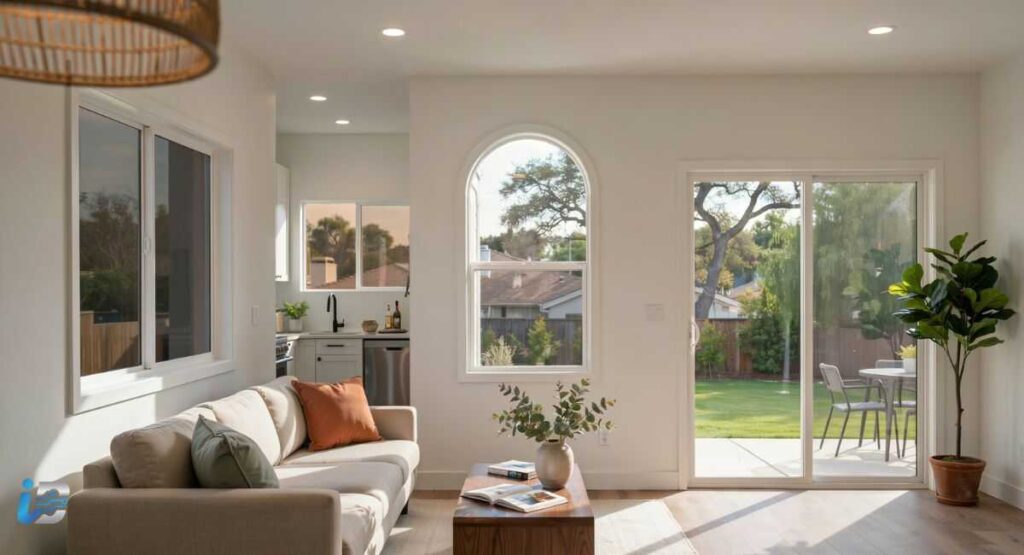
Although home window tinting remains a highly effective solution, it is not the only way to manage sunlight and indoor temperatures. Several alternatives exist for homeowners seeking privacy, comfort, or energy savings.
Each option offers unique advantages and limitations. Some alternatives require larger investments while others provide only partial benefits compared to professional window film systems.
Blinds and Shades
Traditional blinds and shades remain popular window shading solutions because they offer flexible light control. However, they typically block sunlight after it enters the room rather than stopping heat at the glass.
Curtains and Drapes
Heavy curtains improve privacy and can reduce some solar heat. Yet they generally cannot match the performance of a dedicated heat reduction window film.
Exterior Shutters
Exterior shutters help shield windows from direct sunlight before it reaches the glass. They can be effective but often require greater maintenance.
Awnings and Solar Screens
These products reduce solar exposure from outside the home. Many homeowners combine them with sun control film for maximum effectiveness.
Low-E Replacement Windows
Replacing windows with Low-E glass offers excellent performance. However, window replacement costs significantly more than adding film to existing glass.
Landscaping for Natural Shade
Trees and strategic landscaping provide natural cooling benefits. While effective over time, results may take years to develop fully.
| Solution | Cost | Energy Savings | Privacy |
| Window Film | Medium | High | High |
| Blinds | Low | Moderate | High |
| Curtains | Low | Moderate | High |
| Solar Screens | Medium | High | Moderate |
| Low-E Windows | Very High | Very High | Moderate |
| Landscaping | Variable | Moderate | Moderate |
Home Window Tinting Laws, HOA Rules, and Building Restrictions
Before scheduling window film installation, homeowners should verify local regulations. While residential tinting is generally permitted throughout the United States, specific restrictions may apply in certain neighborhoods and communities.
Rules often focus on appearance rather than performance. Reflective products, mirrored finishes, or unusually dark films sometimes face restrictions designed to preserve neighborhood aesthetics.
Residential Window Tint Regulations
Most local regulations address reflectivity, visibility, and exterior appearance. Checking local building codes before installation helps avoid potential issues later.
HOA Guidelines and Neighborhood Restrictions
Many Homeowners Association (HOA) communities maintain architectural standards. These rules may limit the use of certain exterior film appearances.
How to Verify Local Compliance
Contact your local municipality, HOA board, or professional installer before purchasing materials. A quick review can prevent expensive corrections after installation.
FaQs
Does Window Tinting Really Save Energy?
Yes. Premium films help reduce air conditioning costs by limiting solar heat gain and improving overall energy performance.
Is Residential Window Tint Worth the Cost?
For many homeowners, the answer is yes. The combination of comfort, privacy, UV protection, and energy savings often justifies the investment.
Can Window Tint Reduce Heat in a House?
Absolutely. Modern films are specifically engineered to reduce heat inside home environments by blocking solar energy before it enters.
Does Window Film Block UV Rays?
Most high-quality products block up to 99 percent of harmful UV radiation. This helps protect furniture from fading and prevent sun damage.
How Long Does Residential Window Tint Last?
Many homeowners ask, “How long does residential window tint last?” Premium films often last 10 to 20 years depending on climate, glass exposure, and maintenance.
How Long Does Home Window Film Last?
The lifespan varies by product quality. Professionally installed premium films typically deliver the longest service life.
Is DIY Window Tinting a Good Idea?
DIY installation works for some projects. However, professional installation generally produces better aesthetics, stronger warranties, and longer-lasting performance.
Does Window Tint Add Privacy at Night?
Daytime privacy is excellent. However, interior lighting can reduce privacy after dark unless additional coverings are used.
Can Window Tint Damage Windows?
Properly selected products rarely cause problems. Professional installers evaluate glass compatibility before installation.
What Type of Window Tint Is Best for Homes?
Many experts recommend ceramic window tint because it offers excellent heat rejection, durability, and clarity.
Does Window Tint Reduce Energy Bills?
Yes. By improving efficiency and reducing solar heat gain, quality films can help homeowners lower energy bills.
How Much Money Can Window Tint Save?
Savings vary by location and energy use. Homes in warmer climates typically achieve greater savings than those in cooler regions.
Residential Window Tinting Near Me: What Should I Look For?
Choose licensed installers with strong reviews, manufacturer certifications, and proven experience working with residential properties.
Best Solar Window Film for Houses
The best solar window film for houses often combines strong infrared rejection, UV protection, and long-term durability. Ceramic products frequently rank among the top-performing options.
Residential UV Blocking Window Film
A quality residential UV blocking window film protects flooring, furniture, artwork, and fabrics from premature fading caused by sun exposure.
Conclusion
Choosing home window tinting is about more than darkening glass. It is an investment in comfort, efficiency, privacy, and long-term property protection. Quality films can improve home insulation, reduce screen glare, support your HVAC system, and help homeowners enjoy meaningful energy savings over time.
If your goal is to create a more comfortable and efficient home, home window tinting deserves serious consideration. Whether you choose solar window film, privacy window film, security window film, or premium ceramic window tint, the right solution can deliver years of performance and value. For many American homeowners, the answer to “Is home window tinting worth it?” is a confident yes.

Welcome to Infoz Style I am Karl Braun ,an Ai – powered SEO , and Content Writer With 4 Years of experience. I help Websites Rank higher , grow traffic , and look amazing . My goal is to make SEO and Web design simple and effective for everyone.
Let`s achieve more together !
1 thought on “Home Window Tinting Costs, Benefits and Is It Worth It?”